

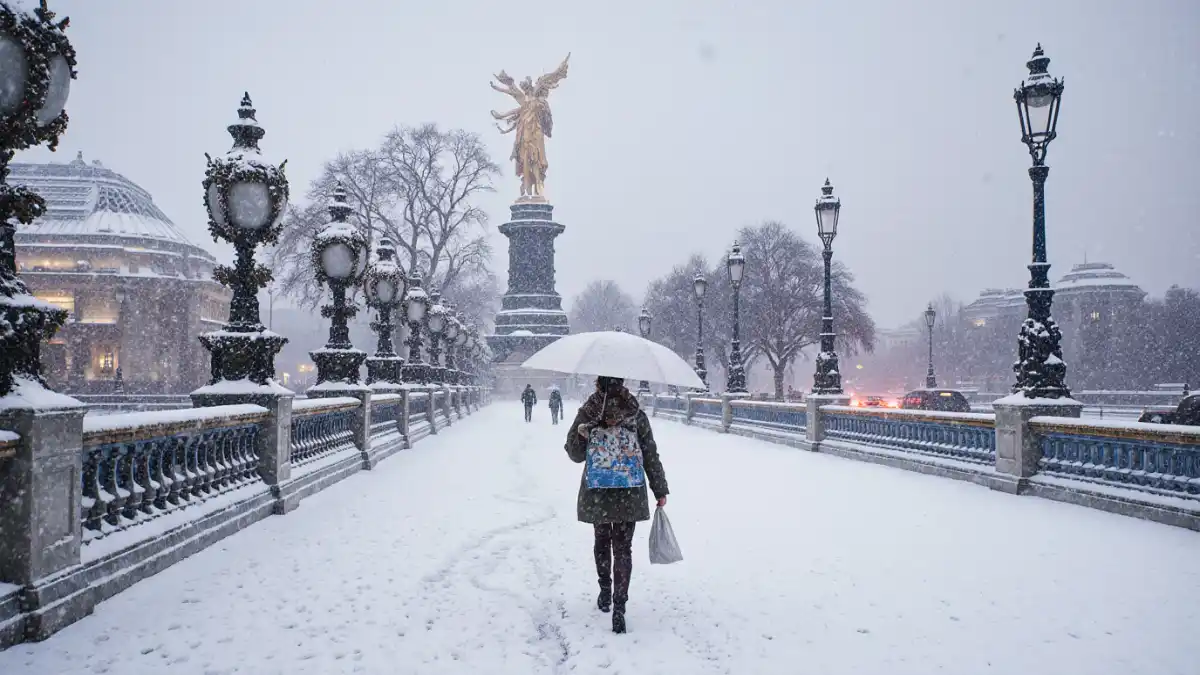
Traveling Europe in winter shifts your priorities from chasing daylight to embracing cozy rhythms, uncrowded museums, and sharp air that clears out the tour buses. It’s not a downgrade; it’s a different lens.
Winter asks more of your planning but rewards you with lower prices, authentic city life, and moments that feel less staged. If you know what changes and where winter actually shines, the season stops feeling like a compromise.
Table of Contents
Traveling Europe in winter: why it can be the smartest season
Winter in Europe flips the script: fewer crowds, more authentic interactions, and access to places that summer tourists never see empty. Your Europe trip planner priorities shift from “fitting it all in” to experiencing each place at a comfortable depth.
You’ll walk into the Louvre without a three-hour line. You’ll find locals at cafés instead of backpackers on pub crawls. Prices drop across accommodation, and restaurants run at a rhythm that serves residents, not tour groups.
The trade is simple: shorter days and colder weather in exchange for space, savings, and a version of Europe that feels less like a theme park. If you prepare for what winter changes, the season becomes an advantage, not an obstacle.
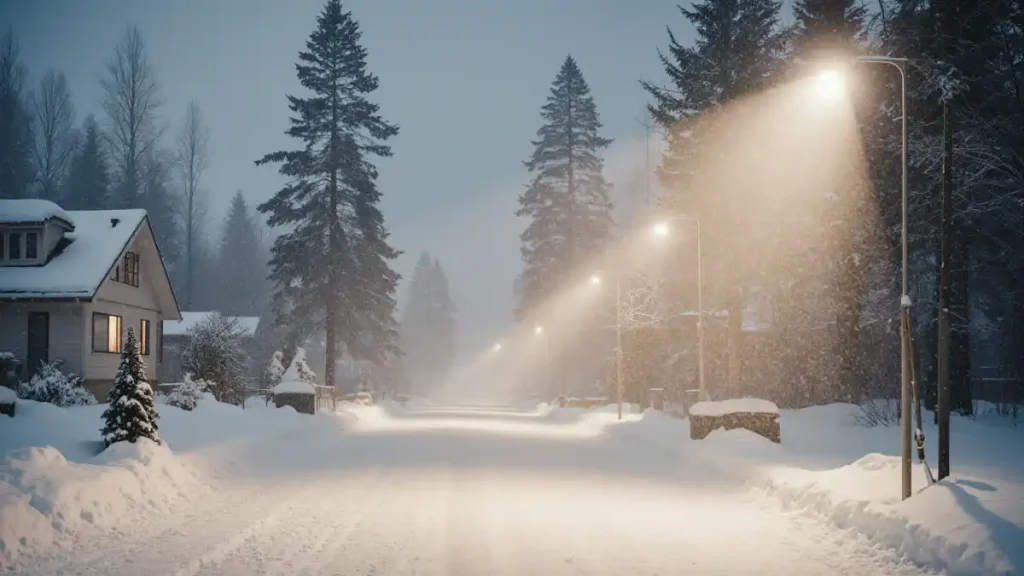
What winter actually changes
Winter recalibrates your day structure, tightens your available hours, and makes weather a factor you check daily, not weekly.
Daylight and pacing
In December and January, many European cities give you roughly 8 to 9 hours of usable daylight. Sunrise hits around 8:00 AM; sunset arrives by 4:30 or 5:00 PM.
That means your outdoor sightseeing window runs from mid-morning to mid-afternoon. Start your day with an indoor activity (breakfast, museum entry, covered market) so you’re not standing outside in the dark waiting for something to open.
Reserve late afternoon and evening for indoor anchors: dinners, concerts, thermal baths, or coworking cafés. Don’t try to cram a summer-length day into winter light. You can check realistic sunrise and sunset times to see how daylight shifts across the season.
Closures and reduced hours
Many smaller museums, castles, and regional attractions close entirely from November through February. Others stay open but cut hours, especially on weekdays.
- Outdoor markets (except Christmas markets) shrink or pause
- Ferries to islands reduce frequency or stop completely
- Hiking trails and mountain cable cars close when snow or ice makes them unsafe
- Small-town restaurants sometimes close for annual breaks in January or early February
Always check current hours the week before you visit. Don’t assume something is open just because it has a website.
Weather variability
Winter in Europe isn’t one climate. Northern cities bring short days and freezing rain. Mediterranean zones stay mild but windy. Alpine areas bury themselves in snow.
A cold snap in Paris feels wetter and sharper than the same temperature in Vienna. Coastal winds in Lisbon or Barcelona can make 12°C feel colder than 5°C in Munich. Regional differences matter more in winter than summer, so understanding the broader climate of Europe helps set realistic expectations for each stop.
Pack for layering and expect at least two or three rainy or very windy days per week in northern and western cities.
Where winter is great
Not every destination handles winter the same way. Some cities thrive; others shut down or turn punishing.
City trips (museums, cafés, markets)
Big cities with dense cultural infrastructure feel purpose-built for winter. Museums, galleries, covered food halls, concert venues, and café culture give you warm, compelling places to spend hours.
Vienna, Prague, Munich, Paris, Copenhagen, and Edinburgh all work beautifully in winter because their appeal doesn’t depend on sunshine. Christmas markets add structure and atmosphere from late November through December.
You experience these cities at a local rhythm. Restaurants aren’t mobbed. Public transport runs normally. Parks stay quiet but walkable when the weather clears.
Coastal/windy regions
Coastal destinations that rely on beaches, outdoor dining, and long evenings lose much of their appeal in winter. Wind off the Atlantic or Mediterranean turns mild temperatures into cold, damp slogs.
Places like the Algarve, Cinque Terre, Greek islands, and Croatia’s Dalmatian coast can feel empty in a lonely way, not a peaceful way. Many hotels, restaurants, and tour operators close entirely.
If you love the ocean and don’t mind solitude, these spots offer deep discounts and raw beauty. But if you expect vibrant energy or easy logistics, skip them until April.
Mountains and snow towns
Alpine towns and ski resorts thrive in winter, but they cater to two groups: skiers and Christmas-market visitors. If you’re neither, the experience can feel narrow.
Snow towns like Innsbruck, Chamonix, Interlaken, and Zermatt work well if you ski, snowboard, or enjoy winter hiking. They’re expensive, logistically simple, and visually stunning.
If you don’t engage with winter sports, a day trip from a nearby city makes more sense than basing yourself there.
Winter itinerary patterns that feel good
Winter asks you to slow down, centralize, and build in more rest than you think you need.
Fewer bases, slower pace, warmer indoor anchors
Instead of hopping cities every two nights, stay three to five nights per base. Winter logistics (early darkness, weather delays, cold mornings) make fast movement exhausting.
Choose cities with strong indoor infrastructure: theaters, libraries, thermal baths, markets, bookstores, and long-dinner restaurants. These become your “home” spots when the weather turns.
Build at least one flexible day per week. If it pours, you’re not scrambling to salvage an outdoor plan. You can also adapt your route using solid Europe trip itinerary tips that account for seasonal rhythm.
The “early afternoon reset”
Plan one anchor activity in the morning (museum, walking tour, market) and one in the late afternoon or evening (dinner reservation, concert, thermal bath). Between 2:00 and 4:00 PM, return to your accommodation or a café.
This break prevents the winter slump: when cold, short days, and early darkness pile up into fatigue. A 90-minute rest with tea, a nap, or quiet time resets your energy for the evening.
Don’t try to “maximize” winter days the way you would in summer. The season rewards depth and comfort over speed.
Booking strategy for winter
Winter lets you book late without losing quality, but a few elements still need advance planning.
Flights and city stays
Flights to Europe drop in price from early November through mid-December, then spike for Christmas and New Year’s. Book holiday-week flights at least two months ahead. For January and February, you can wait until four to six weeks out.
Accommodation in major cities stays affordable and available except during Christmas markets (late November to December 23) and New Year’s week. Lock your Christmas-market city early; leave the rest flexible.
Mid-tier hotels and apartments often run last-minute deals in January and February when business travel slows. You can book three to seven days before arrival without losing good options.
Day trips and tours
Don’t prepay for outdoor day trips (castles, hiking, coastal drives) more than a week in advance. Winter weather shifts fast, and you don’t want to be locked into a freezing, rainy castle tour.
Book indoor experiences (cooking classes, concert tickets, museum skip-the-line entries) whenever you find them. Weather won’t ruin those.
For popular Christmas markets or holiday events, reserve early. For everything else, keep it loose.
Packing for winter without overpacking
Winter packing fails when you bring bulk instead of system. Layers, not heavy single pieces, win.
Layer system
Your core system should be three layers: base (merino or synthetic tee), mid (fleece or thin sweater), and outer (windproof, water-resistant jacket). This handles 0°C to 12°C with easy adjustments.
Skip thick sweaters. They take up space and don’t layer well. A thin down vest or packable puffy jacket adds warmth without bulk and compresses into your daypack.
Bring one scarf, one beanie, and one pair of gloves. You’ll wear them daily. Don’t bring backups unless you’re heading into serious alpine cold.
Shoes + wet weather
Wet feet destroy winter trips. Your shoes need to be waterproof (or water-resistant with treatment) and broken in before you leave.
One pair of waterproof boots or sturdy sneakers handles all your walking. A second pair (lightweight, breathable) gives your feet a break and dries out the first pair overnight.
Bring a small packable umbrella and a rain shell. European winter isn’t heavy downpours; it’s steady drizzle that soaks through layers.
Laundry strategy so you carry less
Plan to do laundry every five to seven days. Most apartments have washers; hostels and budget hotels offer coin laundry or cheap service washes.
Pack for one week, not three. Merino wool and synthetic fabrics dry overnight on a radiator or drying rack. You’ll carry half the weight and avoid checked-bag fees. Use the Europe packing list to dial in exactly what you need without the guesswork.
Money and crowds: what winter changes in your favor
Winter flips the economics and the social density of European travel in ways that make your money stretch and your experience breathe.
Fewer crowds, different restaurant rhythm
Museums, galleries, and major sights run at maybe 30% summer capacity. You walk up to ticket counters without lines. You sit in cafés without reservations. You move through spaces at your own speed.
Restaurants shift back to serving locals. Dinner starts earlier (7:00 or 7:30 PM instead of 9:00 PM). You’ll find better food at neighborhood spots because they’re not running tourist-volume menus.
Christmas markets bring temporary crowds, but they’re localized and predictable. Outside market zones, cities stay calm.
Price patterns
Accommodation drops 20% to 40% off summer rates, except during Christmas markets and New Year’s. Flights into secondary cities (Porto, Krakow, Lyon, Budapest) fall even further.
Food costs stay stable, but you’ll avoid the tourist-trap markups because those places close or run skeleton hours. Public transport and museum entry prices don’t change by season.
Ski towns and alpine resorts cost more in winter. If your itinerary includes mountains, that’s where your budget swells.
Safety and comfort basics
Winter in Europe isn’t dangerous, but small missteps in comfort and awareness compound fast.
Slippery streets, early dark, and staying comfortable
Cobblestones become ice rinks after rain or frost. Walk slowly on stone streets, especially early morning and after sunset. Boots with grippy soles matter more than insulation.
Darkness hits by 4:30 or 5:00 PM. Plan your route back to your accommodation before twilight, especially in smaller towns where street lighting thins out. Carry a small flashlight or use your phone.
Stay dry and warm between activities. A cold, wet morning turns into a miserable afternoon if you don’t reset. Duck into a café, warm up with tea, dry off, and regroup.
Simple day plan for bad weather
When the forecast shows heavy rain or high wind, flip your day indoors:
- Morning: museum or gallery (book skip-the-line if it’s popular)
- Lunch: covered market or sit-down restaurant
- Afternoon: cinema, library, shopping arcade, or return to your room for rest
- Evening: long dinner, thermal bath, or concert
Don’t fight the weather. One great indoor day beats a soggy, forced outdoor slog.
Quick close: pick your winter style in 5 questions
1. Do you care about sunshine, or do you enjoy cozy, gray days?
If you need sun, aim for southern cities or wait until spring. If you like moody skies and warm interiors, winter fits.
2. Are you comfortable with 8 hours of daylight and early darkness?
If short days stress you out, winter will feel claustrophobic. If you enjoy evening-focused routines, it works.
3. Do you prefer quiet museums and empty streets, or vibrant energy?
Winter is calm, not buzzing. If you want crowds and late-night street life, pick summer.
4. Can you pack light and do laundry, or do you need outfit variety?
Winter layers make light packing easier, but only if you’re willing to repeat outfits and wash clothes.
5. Are you flexible with plans, or do you need everything locked in?
Weather can shift your day. If that stresses you, winter requires a mindset adjustment.
If you answered yes to questions 2, 3, 4, and 5, winter is your season. For a fuller breakdown of how each month performs across the year, check the best time to visit Europe. And before you go, run through the before you leave checklist for Europe so nothing critical gets missed.
Winter doesn’t ask you to compromise. It asks you to plan differently and move slower. Do that, and the season gives back in ways summer never will.
