


Getting your travel documents for Europe right isn’t about bureaucracy. It’s about clearing check-in counters, border control, and rental desks without delay, confusion, or a last-minute scramble to prove you belong on the plane.
Table of Contents
Travel documents for Europe: the essentials in one view
Your passport is mandatory. Everything else depends on your citizenship, route, and activities, but the practical list is short: a valid passport that matches your bookings exactly, proof of accommodation and exit plans if asked, payment cards that work across borders, and copies (digital and physical) of everything critical. When you’re piecing together multiple countries and connections, the Europe trip planner will help you match documents to your route logic, not just to entry rules.
Most problems happen when the name on your boarding pass doesn’t match your passport character-for-character, or when your passport expires mid-trip and nobody told you until check-in.
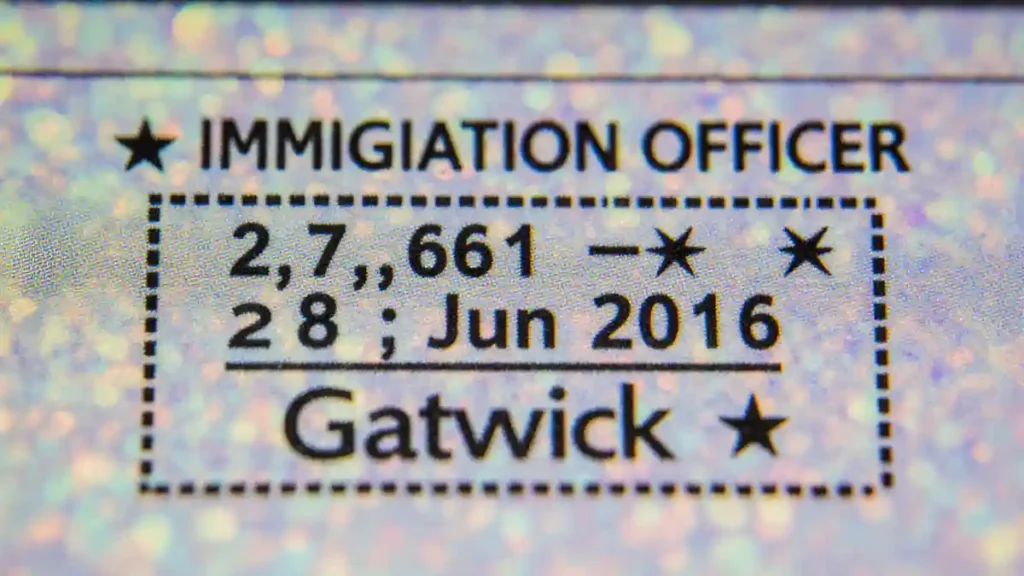
Passport basics that prevent boarding problems
Your passport must be valid for the entire trip and usually at least three to six months beyond your planned departure from the Schengen Area, depending on your nationality. Airlines and border officers will check this before you board, not after you land. The International Travel Checklist from the U.S. Department of State offers a solid starting point for verifying passport validity and other pre-departure requirements.
Match your passport exactly to bookings
The name on your flight ticket, train reservation, or hotel booking must mirror your passport exactly: spelling, middle names, hyphens, accents, and character order.
Budget airlines and automated check-in kiosks flag mismatches immediately. Some systems reject diacritics or double-barreled surnames if they don’t appear in the same format across documents.
What to check before you book:
- Full legal name as it appears in your passport’s machine-readable zone
- Order of given names and surnames (some cultures reverse them)
- Hyphens, apostrophes, spaces (O’Brien vs OBrien)
- Accents and special characters (Müller vs Muller)
If you recently changed your name (marriage, deed poll), update your passport before booking anything.
Validity reality check
Many European countries require your passport to be valid for at least three months beyond your departure date from the Schengen Area. Some nationalities need six months. Airlines enforce the stricter rule to avoid denied boarding liability.
Count forward from your last planned day in Europe, then add the buffer. If your passport falls short, renew now. Processing backlogs still exist in many countries, especially during spring and summer travel peaks.
Quick timeline rules:
- Check expiration date today
- Add three to six months (depends on citizenship)
- Compare that date to your return flight
- If tight or expired, start renewal immediately
Passport pages matter too. Some countries want at least two blank visa pages, even if you don’t need a visa. Worn or damaged pages can cause delays.
If you have two passports
Dual nationals should pick one passport and use it for the entire Europe leg: bookings, check-in, border stamps, hotel registration.
Switching mid-trip confuses immigration systems, especially with the upcoming Entry/Exit System (EES) that will track biometric data per passport. If you enter on passport A and try to exit on passport B, the system sees an overstay on A and an illegal entry on B.
Consistency checklist:
- Book flights, trains, and accommodation under one passport
- Show the same passport at every EU/Schengen border
- Keep the second passport as emergency backup only
- If you must switch (lost passport, visa requirements), report the change to border authorities
Use the passport that gives you the smoothest entry rights. EU/EEA passports unlock free movement; other nationalities may need ETIAS or visas.
Entry essentials you may be asked to show
Border officers can ask for proof that you’re visiting temporarily, not staying illegally or working without authorization. The questions are rare for most tourists, but the documents should be ready.
Where you’re staying (address/contact details you can access offline)
You need the name, address, and contact number of your first night’s accommodation. A hotel booking confirmation works. So does an Airbnb reservation or a friend’s address with their phone number.
Save this offline: screenshot the booking email, write the address on paper, or add it to your phone’s notes. Airport Wi-Fi isn’t guaranteed, and border officers won’t wait while you search your inbox.
If your route involves multiple cities, have the first address ready and a rough idea of the next stops. You don’t need printed hotel vouchers for every night unless you’re on a long-term visa or entering a country with stricter protocols.
Proof you can support the trip (high level; keep non-legal, non-judgy)
Some countries expect visitors to show they can pay for accommodation, food, and transport without working illegally. The threshold varies, but the practical evidence is simple: a bank statement, credit card, or cash.
You’re rarely asked, but when you are, it’s usually at land borders or if your passport shows frequent long stays. A credit card with your name and a recent mobile banking screenshot usually satisfies the question.
What works in practice:
- A debit or credit card in your name
- Recent bank statement (last 30 days, showing regular balance)
- Cash (euros or your home currency that you’ll exchange)
- Prepaid travel card with visible balance
Don’t carry large amounts of undeclared cash (€10,000+ must be declared). Keep a blend: cards for safety, small cash for emergencies.
How to avoid confusion at check-in
Airlines and border officers want proof you’re leaving the Schengen Area within your allowed stay (usually 90 days in any 180-day period for visa-exempt nationals). A return flight or onward train/bus ticket to a non-Schengen country is enough.
If you’re planning a flexible route or open-ended travel, book a refundable or changeable onward ticket. Budget carriers sometimes demand a printed boarding pass or booking reference before issuing your inbound pass.
Use the Schengen short-stay calculator to track your days if you’re making multiple trips or mixing Schengen and non-Schengen stops.
Quick fixes for common gaps:
- Onward train or bus to UK, Ireland, or Balkans (non-Schengen)
- Cheap placeholder flight you can cancel after entry
- Email confirmation showing connecting travel
If you’re chaining countries over months, keep your entry/exit dates visible on your phone. Officers rarely dig, but clarity avoids extra questions.
ETIAS and EES: what to know without mixing them up
Two new systems launch soon, and they sound similar but do different things. ETIAS happens before you travel; EES happens at the border.
ETIAS (pre-travel authorisation) when it applies
ETIAS is a digital travel authorization for visa-exempt visitors to the Schengen Area. If you don’t need a visa now (U.S., Canada, Australia, UK, many others), you’ll need ETIAS instead, applied online before departure.
It’s not a visa. It’s a pre-screening that checks security and overstay risk. Approval is usually instant; some applications take up to 96 hours. It’s valid for three years or until your passport expires, whichever comes first.
For full eligibility, application steps, and timing, see the detailed guide on etias europe requirements.
EES (border biometrics): what changes at the border
The Entry/Exit System replaces passport stamps with biometric registration: fingerprints and a facial scan recorded digitally at your first Schengen entry. The data links to your passport and tracks how many days you’ve used within the 90/180 rule.
You’ll register once, then the system recognizes you on future entries and exits. It automates overstay detection and speeds up processing for repeat visitors.
Practical changes:
- Longer queues during the first weeks after launch
- Self-service kiosks at major airports
- Your phone or email may receive entry/exit confirmations
- No more counting passport stamps manually
EES doesn’t change how long you can stay. It just tracks it automatically.
Your document protection system
Lose your passport abroad and your trip halts until you get emergency papers. A two-layer system keeps you moving even if something goes wrong.
One “carry” set (passport + payment + phone) and one “backup” set
Your carry set lives on your body or in a day bag you never leave unattended: passport, one credit/debit card, phone, small cash.
Your backup set stays in your accommodation or a separate compartment in your main luggage: photocopy of your passport, second payment card, emergency contact numbers written on paper.
Carry set (always with you):
- Passport
- Primary credit/debit card
- Phone
- Small cash (€50-100)
Backup set (secure, separate location):
- Passport photocopy (photo page + any visas)
- Second payment card
- Paper list: embassy numbers, booking references, travel insurance hotline
Never put both sets in the same bag. If your day pack is stolen, your backup set keeps you solvent and mobile until you reach your embassy.
Digital backups
Scan or photograph your passport photo page, travel insurance policy, flight confirmations, accommodation bookings, and any prescriptions or medical documents. Save them in three places: phone (offline-capable app or photo album), email (sent to yourself), and cloud storage (Google Drive, Dropbox, iCloud).
What to save digitally:
- Passport photo page (high-res scan)
- ETIAS or visa approval
- Travel insurance policy and claim number
- Flight, train, and accommodation confirmations
- Driver’s license and International Driving Permit (if driving)
- Emergency contact numbers
Mark critical files for offline access so you can open them without Wi-Fi. Some airlines and rental desks accept digital copies; others insist on the physical document, but having the scan speeds up embassy paperwork if the original is lost.
Paper backups
One printed copy of your passport photo page, stored separately from the original, helps when your phone dies or a rental counter system can’t open your PDF. It’s also faster to hand to an embassy consular officer than unlocking your phone and scrolling.
Print or write down your embassy or consulate address and phone number for every country you’ll visit. If you lose everything, a paper list in your luggage or mailed to yourself (general delivery/poste restante) is a last-resort lifeline.
Driving documents
Renting or driving in Europe requires more than your home license in most countries. The paperwork is light, but missing one piece can lock you out of the car.
Licence + international driving permit basics
Your national driver’s license is usually enough for short-term rentals within the EU if it’s in Roman script and includes a photo. If your license is in Arabic, Cyrillic, Chinese, or another non-Roman alphabet, you need an International Driving Permit (IDP) as a certified translation.
An IDP is not a standalone document; it must accompany your original license. It’s valid for one year and issued by automobile associations in your home country, not embassies or online “IDP services” (many of which are scams).
What you need at the rental counter:
- Your original driver’s license (full, not provisional or learner)
- IDP (if your license isn’t in Roman script or if the rental country requires it)
- Passport
- Credit card in the driver’s name
Some countries (Austria, Spain, Italy) fine drivers without an IDP even if the rental company didn’t ask for it. Check the specific country’s rules before you pick up the car.
Rental counter friction: what they typically check
Rental agents verify your license, passport, and the credit card used for the deposit (usually a hold of €500-1500). Budget companies enforce age restrictions (often 21 or 25 minimum, surcharge for drivers under 25) and won’t rent if your license has been held for less than one year.
They’ll also check:
- License validity (not expired, not suspended)
- Name match across license, passport, and booking
- Credit card in the main driver’s name (not debit, not someone else’s card)
If you’re adding a second driver, bring their license and ID too. Some companies charge per additional driver; others include a partner or spouse for free.
Border crossings in a rental car require explicit permission from the rental company, especially into non-EU countries (Albania, Serbia, Bosnia). Confirm cross-border coverage when you book, not when you’re at the frontier.
Traveling with kids: documents that create last-minute delays
Children need the same core documents as adults (passport, ETIAS when it launches), plus extra paperwork if they’re traveling without both parents or with someone who isn’t a legal guardian.
Consent letters and identity docs
If a child is traveling with only one parent, or with grandparents, school groups, or friends, some countries ask for a notarized consent letter from the non-traveling parent(s). The letter should include the child’s name, travel dates, destination, accompanying adult’s details, and contact information for the absent parent.
Not every border asks, but Poland, France, and Switzerland enforce this more strictly. Airlines sometimes request it at check-in to avoid trafficking suspicion.
What a consent letter should cover:
- Child’s full name and passport number
- Names and signatures of both parents
- Details of accompanying adult
- Travel dates and destinations
- Contact numbers for both parents
- Notarization or witness signature (depending on destination)
Single parents or sole guardians should carry a court order, birth certificate showing sole custody, or death certificate of the other parent. Blended families benefit from carrying the child’s birth certificate to clarify relationships.
Tips for border crossings with minors
Children must have their own passport; they can’t be added to a parent’s document anymore. Infants need passports from birth if traveling internationally.
Keep digital and paper copies of each child’s passport and consent letter. If questioned, stay calm and provide documents without elaborating. Border officers are trained to spot trafficking patterns, so clear paperwork speeds the process.
Family travel document checklist:
- Individual passport for each child (valid for full trip + 3-6 months)
- Notarized consent letter if not both parents are present
- Birth certificates or custody documents
- Travel insurance covering all minors
- Vaccination records (if traveling from or via certain countries)
If your itinerary includes route changes and moving days, the Europe trip itinerary tips guide helps you sequence stops so you’re not crossing borders late at night or during peak hours when scrutiny is higher.
If your passport is lost or stolen
Losing your passport abroad is stressful but solvable if you act in sequence. Speed matters, but so does securing your money and communication tools first.
Step 1: secure money + phone first
Before you report the passport, make sure you still have access to funds and the ability to call for help. Cancel any stolen credit or debit cards immediately (use your bank’s app or international hotline). If your phone was also taken, borrow one or find a consulate/police station with a phone you can use.
Withdraw cash if you still have a working card, or contact family/friends to send an emergency transfer (Western Union, Wise, PayPal). You’ll need money for new passport photos, police reports, transport to the embassy, and possibly an overnight stay if your consulate is far from where you lost the document.
Immediate actions:
- Cancel stolen payment cards
- Access backup cash or arrange a transfer
- Retrieve digital backups of passport, insurance, bookings
- Contact travel insurance to check coverage for lost documents
If you saved a digital copy of your passport, pull it up now. It speeds up every step that follows.
Step 2: report and get the right paperwork
File a police report as soon as possible. Many consulates require it before issuing a replacement passport or emergency travel document. The report also protects you if someone tries to use your passport fraudulently.
Then contact your country’s embassy or consulate. Bring your police report, digital or paper passport copy, passport photos (available at photo booths in most cities), and proof of onward travel (flight booking, hotel confirmation).
What the consulate will need:
- Police report reference number
- Passport copy or details (number, issue date, issuing authority)
- Passport-sized photos (usually two)
- Proof of citizenship (driver’s license, birth certificate if you have a backup copy)
- Payment (cash or card, depending on location)
Emergency travel documents are faster (often same-day or next-day) but valid only for direct return home or limited onward travel. Full passport replacements take longer (days to weeks) but let you continue your trip.
Step 3: replacement timing strategy + rebooking mindset
If your trip is almost over, get an emergency travel document and fly home. If you’re mid-trip, decide whether waiting for a full replacement or rerouting home makes more sense based on your timeline and consulate processing speed.
Some consulates offer expedited service for a fee. Others require you to travel to a specific city (if the theft happened in a smaller town). Factor in transport, accommodation, and rebooking costs when comparing options.
Decision map:
- Less than 3 days left? Emergency travel document, fly home.
- More than a week left + consulate nearby? Full replacement, continue trip.
- No consulate in current country? Train/bus to nearest capital with one.
- Travel insurance? Check if it covers reissue fees, accommodation, rebooking.
Rebook flights only after you have the new document in hand or a confirmed issue date. Airlines may charge change fees, but most are flexible if you explain the situation and provide the police report.
Keep all receipts for consulate fees, photos, transport, and extra nights. Travel insurance often reimburses these if your policy includes document loss coverage.
Quick “documents pouch” list
Print or save this list offline and tick each item before you leave home:
Core documents:
- Passport (valid 3-6 months beyond return date)
- ETIAS confirmation (when it launches)
- Travel insurance policy + claim contact
- Flight/train confirmations
- Accommodation addresses (first night + rough itinerary)
- Credit/debit cards (at least two, from different providers)
- Small cash (euros or home currency)
Backups (separate location):
- Passport photocopy (photo page + visas)
- Digital scans (cloud + offline phone storage)
- Second payment card
- Emergency contact numbers (embassy, insurance, family)
If driving:
- Driver’s license (original, not expired)
- International Driving Permit (if needed)
- Rental booking confirmation
- Cross-border permission (if leaving EU)
If traveling with children:
- Child’s passport
- Notarized consent letter (if one parent absent)
- Birth certificate or custody documents
Optional but helpful:
- EU health insurance card or private travel health insurance
- Vaccination record (if arriving from certain regions)
- Prescription copies + medication in original packaging
Once you’ve gathered and organized these items, double-check your full pre-departure action list using the before you leave checklist for Europe. That guide covers timing, notification steps, and final-week tasks so nothing gets missed while you’re focused on packing and logistics, especially if you’re navigating timing around peak crowds during the best time to visit Europe.
