

Train travel is one of the most rewarding ways to see Europe, but without a plan, those ticket costs can eat up your budget fast. The good news? There are plenty of smart ways to save money on Europe rail travel without sacrificing comfort or freedom.
This guide gives you the big-picture strategies that really work: when rail passes pay off, how regional deals stack up, what group discounts to grab, and why flexible routes can stretch your euros further. You’ll see real examples, local quirks, and simple scenarios you can copy for your own trip.
Want to dive deeper? Be sure to check out related guides like Rail Pass Booking Tools & Hidden Discounts, for even more ways to keep your costs down.
Table of Contents
Understand What Drives Europe Train Costs
Before you can save, it helps to know why prices swing so much.
High-Speed vs. Local & Regional Fares
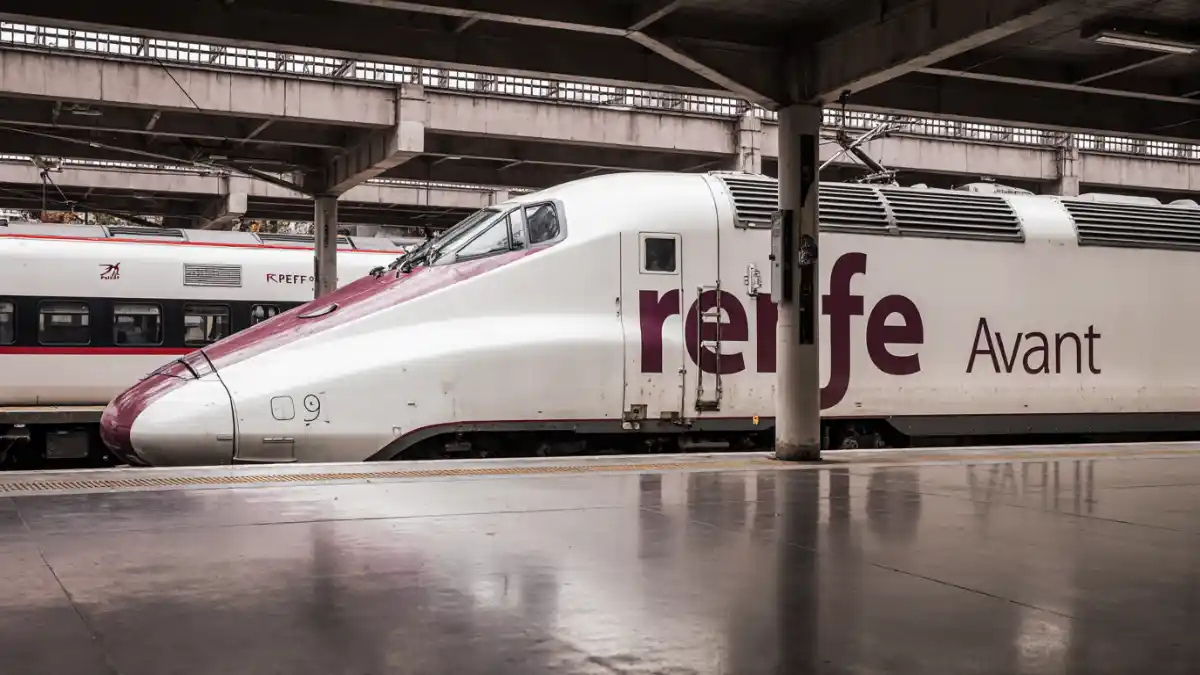
High-speed trains like France’s TGV, Spain’s AVE, or Italy’s Frecciarossa come with premium fares; you’re paying for speed, comfort, and direct city-center links. Regional trains are slower but far cheaper and often more scenic.
Example:
- Paris–Lyon on TGV: ~€50–€100+ booked last minute.
- Same route by regional TER and connections: ~€30–€50, but it takes twice as long.
Route Popularity & Booking Windows
Popular routes and peak times (Friday afternoons, holiday weekends) cost more because seats fill up fast. Local routes, midweek trips, and early or late trains often stay cheaper.
✅ Tip: We cover advanced booking tricks in How to Book Cheap Train Tickets in Europe, so stick to the cost drivers here and jump over there for window hacks!
When Rail Passes Actually Save You Money
A rail pass isn’t always the cheapest option, but used wisely, it can knock hundreds off your budget.
Types of Passes That Offer Value
- Global or Eurail Passes: Great if you’re crisscrossing multiple countries in a short time.
- Regional or Country-Specific Passes: For example, a Swiss Travel Pass for unlimited rides in Switzerland or a Benelux Pass for hopping between Belgium, the Netherlands, and Luxembourg.
- Local or City Passes: Some cities include local train or tram discounts.
When Passes Don’t Pay Off
- Short stays with only one or two big train trips? Point-to-point is likely cheaper.
- Local commuter routes? Single tickets or city cards often beat a pass.
- Solo travelers covering short distances shouldn’t assume a pass saves money; always compare!
How to Combine Passes with Local Tickets
Mix and match: use a rail pass for your big cross-country stretches, then grab cheap local tickets for short hops.
✅ Example: Many travelers use a Eurail Global Pass for long legs (Paris–Berlin–Prague) and local city cards for metros, trams, or short regionals.
Use Regional & Cross-Border Passes Smartly
Sometimes a simple regional pass is the secret sauce.
Country Examples
- Switzerland: Swiss Travel Pass ~CHF 232 for 3 days of unlimited trains, boats, and buses.
- Germany: Bavaria Ticket unlimited regional travel for 1 day within Bavaria for €29 (1 person) or ~€10 extra per extra person.
- Benelux: Eurail Benelux Passes are good value for short hops between Amsterdam, Brussels, and Luxembourg.
When Regional Beats Global
If you’re sticking to one area, a targeted pass can be half the price of a big Eurail Global Pass and simpler to use. Check the official sites for local quirks:
Take Advantage of Group, Youth & Senior Discounts
Train companies love groups, so bring your crew or ask about youth and senior perks.
Family Group Savings
Operators like DB (Germany), Trenitalia (Italy), and SNCF (France) often have family deals where kids under a certain age ride free or at steep discounts.
Youth/Student Railcards
Many countries offer student or youth railcards for travelers under 26. These often cut 10–30% off normal fares.
- 16–25 Railcard (UK)
- CartaFRECCIA Young (Italy)
Senior & Local Resident Cards
Seniors can score 20–50% off in some countries like Spain’s Tarjeta Dorada. Always check the national operator’s discount page for eligibility:
Flex Your Routes & Timing to Save Money on Europe Rail Travel
Think slowly. Think off-peak. Think overnight.
Slower Routes vs. High-Speed Lines
A regional train might add an hour or two but save you €30–€50 per leg, worth it if you have time to spare.
Traveling Off-Peak & Midweek
Tuesday and Wednesday trips are usually the cheapest. Trains before 9 AM or after dinner also tend to have lower fares.
Overnight Trains: Save on Hotels Too
Night trains aren’t just romantic; they save you a night in a hotel and get you to your next city by morning. Think ÖBB Nightjet, SJ Night Train, or Trenitalia’s Intercity Notte.
Real Example Itineraries to Compare Savings
See how the numbers stack up.
Short-Trip Regional vs. Big Rail Pass
- Munich–Nuremberg–Salzburg roundtrip with Bavaria Ticket: ~€30
- Same route using a Eurail Global Pass: significantly more per day than the regional pass. The regional pass wins.
Family vs. Solo
Two adults + two kids using Germany’s regional family offer: kids under 15 ride free.
Same route solo? No family savings, pay full fare.
Youth vs. Adult Fares
An under-26 pass can cut 30% off Eurail or Interrail, which is €100+ saved on a two-week trip compared to adult fares.
Quick Money-Saving Action Plan
✅ Compare point-to-point vs. pass; don’t assume.
✅ Look up regional passes; they’re often the best deal for short hops.
✅ Travel off-peak or midweek when you can.
✅ Group up, family, and group tickets save big.
✅ Don’t miss youth, student, or senior discounts.
And remember, your money-saving plan is just one piece of the puzzle. Make sure you’ve covered all the must-know pre-trip essentials for Europe train travel so you’re ready for a smooth ride.
