

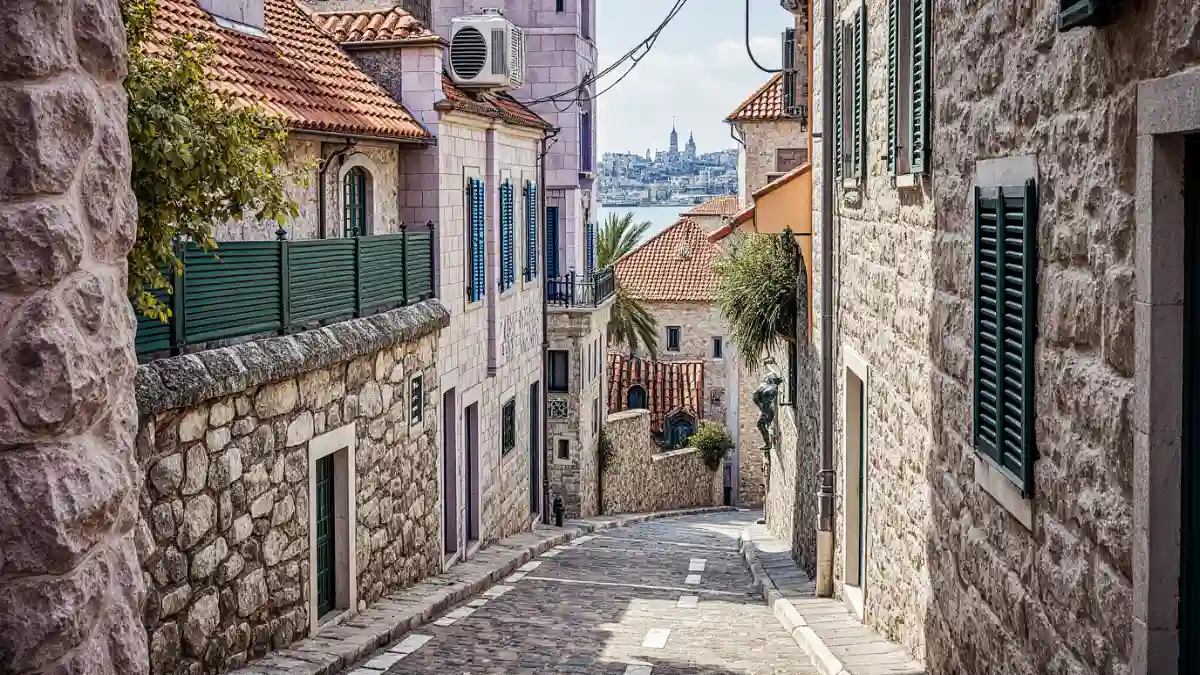
Making the most of your trip isn’t about cramming in more sights or perfecting your itinerary. It’s about small, repeatable habits that protect your energy, sharpen your choices, and help you stay flexible when things don’t go as planned. These in-trip practices turn good trips into memorable ones without adding complexity.
Table of Contents
Making the most of your trip: the simple habits that change the experience
The difference between an exhausting trip and an energizing one often comes down to daily rhythm, not route. When you manage time and energy intentionally, you make better decisions about what to skip, where to linger, and when to rest. This approach works whether you’re traveling solo, with a partner, or with kids.
Think of it as execution mode. Your Europe trip planner helped you shape the route; now it’s about staying present and responsive while you’re there. The habits below keep you grounded without needing constant re-planning.
Protect your energy first
Energy management is the most underrated travel skill. Run yourself down early, and every choice after that becomes harder. Protect it from day one, and you’ll enjoy every destination more fully.
Start days earlier, end days calmer
Wake up an hour earlier than you think you need to. It gives you time to plan, eat properly, and reach your first stop before crowds build. Ending your sightseeing by late afternoon also leaves room to decompress, find dinner without rushing, and review tomorrow without pressure.
Early starts give you the city at its quietest. Late finishes drain you for the next day.
The “one rest stop” rule
Schedule one intentional break every day: a cafe, a park bench, a quiet church interior. Sit for 20 to 40 minutes without an agenda. It resets your focus and prevents the mid-afternoon energy crash that derails plans.
This isn’t wasted time. It’s the pause that makes the next three hours enjoyable.
Don’t stack major sights back-to-back
Visiting three museums in one day sounds efficient. In practice, you’ll remember almost nothing from the third. Space major attractions across different days, or sandwich a light activity between heavy ones.
For example:
- Morning: cathedral climb
- Midday: neighborhood walk or lunch
- Afternoon: local market or garden
Your attention span is finite. Treat it that way.
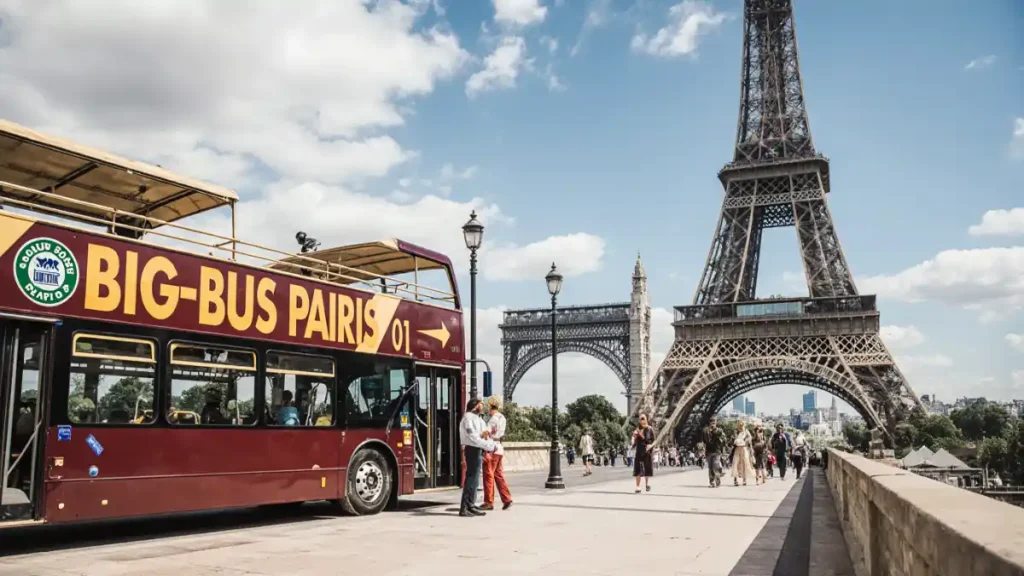
Do fewer things, better
Depth beats breadth. Seeing fewer places with full attention creates stronger memories than skimming ten landmarks in a blur.
Pick one “anchor” per day and let the rest be flexible
Choose one non-negotiable experience each day: a specific museum, a hike, a food market. Everything else stays optional. This removes decision fatigue and gives your day a backbone without rigidity.
If your anchor is done by noon, the rest of the day can adapt to weather, mood, or spontaneous recommendations. If you want help choosing meaningful anchors, the UNESCO World Heritage List offers a curated starting point for culturally significant sites across Europe.
Swap a museum for a neighborhood walk
Museums deliver knowledge. Neighborhoods deliver feel. If you’re tired, overstimulated, or behind schedule, skip the gallery and walk a residential area instead. You’ll still absorb the culture, just through architecture, daily life, and rhythm instead of artifacts.
Sometimes the best use of two hours is watching a city wake up over coffee, not standing in a queue.
Build in “aimless time” on purpose
Block 60 to 90 minutes every few days with zero itinerary. Wander without a map, follow a side street, sit in a square and people-watch. This is where accidental discoveries happen: the bakery locals line up for, the vintage shop with perfect lighting, the viewpoint not mentioned in guides.
Aimless time isn’t lazy. It’s strategic whitespace.
Make moving days lighter
Travel days between cities are low-energy windows. Simplify them so they don’t cost you the next day’s momentum.
Pack so you can move without stress
Travel with a bag you can lift, carry, and stow without help. Overpacking turns every transfer into a logistical puzzle. A well-curated Europe packing list keeps your load manageable and your movement smooth, especially on trains, cobblestones, and hostel stairs.
One bag, packed light, is freedom. Two bags plus a daypack is friction.
Before leaving home, download offline maps in Google Maps for every city on your route. When you lose signal in a new neighborhood or your data runs out, you can still navigate without stress.
Keep food/water and a small plan for arrival
Carry a water bottle and a snack bar on every travel day. Hunger and dehydration make small problems feel large. Know your accommodation address, check-in time, and how to get there from the station before you board the train.
This removes guesswork when you’re tired. You arrive, drop your bag, and start exploring instead of troubleshooting.
The “first hour” routine in a new base
When you reach a new city, follow the same three steps:
- Drop bags and use the bathroom
- Walk a 10-minute loop around your accommodation (find the nearest grocery, ATM, and transit stop)
- Sit down with a drink and review your plans for tomorrow
This orients you geographically and mentally. You’ll sleep better, wake ready, and avoid scrambling the next morning. If you’re building multi-city routes, Europe trip itinerary tips can help you design smoother transitions between bases.
Spend smarter
Smart spending isn’t about being cheap. It’s about putting money where it actually improves your experience and cutting costs where it doesn’t.
Pay for what saves time
Time is your scarcest resource. Pay extra for:
- Accommodations within walking distance of old towns or transit hubs
- Skip-the-line tickets for major museums (especially in Rome, Paris, Barcelona)
- Direct trains instead of budget buses with three connections
An extra €15 for a central hotel often saves you €10 in metro fares and two hours of commuting. That math works.
Save on what doesn’t change your happiness
Skip the packaged “experiences” that feel like tourist theater: overpriced river cruises that add nothing, kitschy souvenirs you’ll donate in two years, audio guides you won’t finish.
Save money on:
- Trinkets and impulse buys at gift shops
- Sit-down meals in high-traffic squares (eat one block away for better food, half the price)
- Guided tours when a self-guided walk delivers the same insight
Put that budget toward an extra night in a city you love or a meal you’ll actually remember.
Handle surprises without losing the day
Things will go wrong. Trains delay, museums close unexpectedly, weather shifts. Your resilience comes from having a loose backup ready.
When to pivot vs when to push through
Pivot when:
- Weather makes your plan uncomfortable or unsafe
- A sight is closed and there’s no workaround
- You’re physically exhausted and forcing it will ruin tomorrow
Push through when:
- The inconvenience is minor (a 20-minute delay, a slightly longer walk)
- The alternative is sitting in your room feeling frustrated
- You’ve already paid for a timed ticket or reservation
The test: will this decision improve the next six hours, or just the next six minutes?
The “two-option” backup plan
For every major plan, keep one lightweight alternative in your back pocket.
| Plan A | Plan B |
|---|---|
| Outdoor castle tour | Indoor museum nearby |
| Beach day | Old town walking route |
| Afternoon hike | Cafe + journaling + local bookstore |
You don’t need to research B deeply. Just know it exists and where to find it. When A fails, you move to B without losing rhythm.
Make your research pay off while you’re there
The work you did before leaving has value, but only if you use it lightly.
Use your notes lightly, don’t live inside them
Refer to your research for opening hours, addresses, and key recommendations. Don’t treat it like a script. If a local suggests something better, trust them. If a neighborhood feels dull, leave early.
Your notes are a guide, not a contract. The goal is presence, not compliance. If you need a structured approach to gathering useful details without overdoing it, how to research a Europe trip walks through a focused method that supports flexibility.
Check your list once in the morning, then put it away. Let the day unfold.
Quick wrap: a 10-point daily checklist
Here’s a simple rhythm to follow every day. It keeps you consistent without rigidity.
Morning: 3 checks
- Hydrate and eat something real (not just coffee and a pastry)
- Confirm your anchor activity (check hours, ticket, location)
- Pack your daypack the night before (wallet, phone, charger, water, snacks)
Midday: 3 checks
- Take your scheduled rest stop (even if you feel fine)
- Drink water again (dehydration sneaks up in walking-heavy days)
- Decide on dinner before 5 p.m. (so you’re not wandering hungry at 8 p.m.)
Evening: 4 checks
- Write down one thing that went well (builds positive momentum)
- Review tomorrow’s anchor and transport (no morning scrambling)
- Charge everything overnight (phone, battery pack, camera)
- Set one flexible goal for tomorrow (visit X, try Y food, walk Z neighborhood)
Before you even leave home, running through a solid before you leave checklist for Europe ensures your documents, finances, and logistics are locked in, so these daily habits can focus purely on the experience itself.
If you’re traveling in the colder months, your rhythm will shift slightly. Shorter daylight and weather volatility mean tighter windows and more indoor alternatives, something covered in detail in traveling Europe in winter.
Making the most of your trip comes down to managing the variables you control: energy, time, decisions, and expectations. Do that well, and the rest takes care of itself.
