

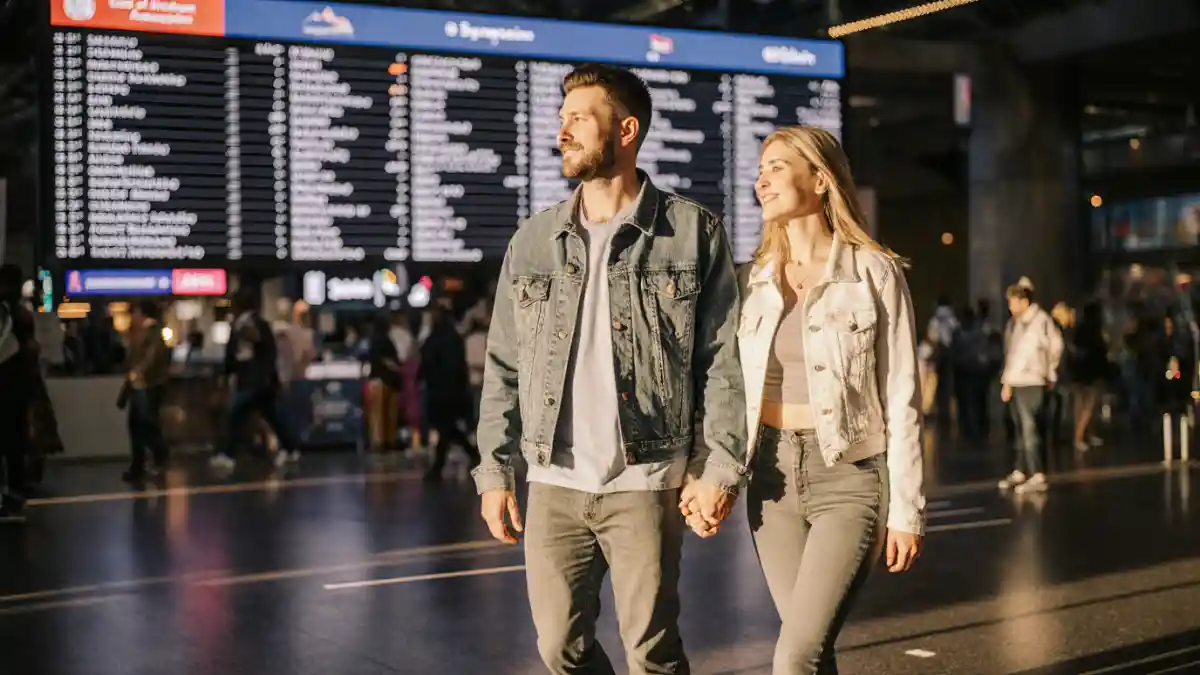
There’s something timeless about train travel in Europe, isn’t there? Winding through Alpine valleys and gliding past medieval villages, it’s the stuff of travel dreams. But beyond those postcard moments, Europe’s trains are shared spaces, bustling with locals, tourists, students, and commuters. That’s why understanding Europe train etiquette and basic train travel safety tips Europe style can make all the difference between a smooth ride and an awkward one.
Each country has its quirks, the hush of a Thalys quiet zone, the strict boarding lines at London’s St. Pancras, or the platform chaos of Rome’s Termini. Still, the core unwritten rules and safety basics hold true EU-wide. From watching your valuables at busy hubs to offering your seat to someone who needs it more, it’s all about respect, awareness, and a touch of common sense.
And if you’re just starting to plan your adventure, don’t miss our complete Europe Rail Travel Planning Guide, your go-to for routes, passes, and booking tips that pair perfectly with these etiquette and safety essentials.
Table of Contents
Station Navigation & Safety Basics
Ever stepped off a train in Europe and felt completely spun around? You’re not alone. Major stations like Paris Gare du Nord, Berlin Hauptbahnhof, or Rome’s sprawling Termini can be bustling labyrinths beautiful, but confusing. Understanding basic station etiquette and how to stay safe on trains in Europe starts the moment you enter the terminal. Here’s how to navigate like a pro and protect your journey.
Arrive Early & Know Your Station
Rushing through crowded concourses with a heavy suitcase is nobody’s idea of fun. Give yourself at least 15–30 minutes of buffer time to find your platform and double-check your train’s number. Platforms do change at the last minute departure boards inside the station always trump what your app says.
Take Italy, for example: Roma Termini has multiple exits and a maze of tracks. It’s easy to confuse it with suburban stops like Tiburtina. Arriving early saves you the headache of sprinting across platforms or, worse, boarding the wrong train altogether.
Platform Safety
It might sound obvious, but you’d be surprised how often travelers ignore those bold yellow lines painted along the platform’s edge. According to EU Directive 2004/49/EC on railway safety, standing behind these lines is non-negotiable it’s a pan-European rule.
Never, ever cross the tracks, no matter how tempting it seems when your train is “right there.” Use the underpasses or overpasses provided. Not only is it safer, but you’ll avoid hefty fines that some operators impose for track trespassing.
Keep Valuables Secure
Busy European stations are magnets for petty thieves and pickpockets, especially hubs like Barcelona Sants, Gare du Nord, or Milano Centrale. Always wear your backpack on your front when moving through crowds.
Invest in an RFID-blocking wallet if you carry contactless cards. Keep your phone zipped away when you’re not using it. A simple distraction (like someone “accidentally” bumping into you) is all it takes. As the European Travel Commission reminds passengers, vigilance is your best defense.
Emergency Preparedness
Nobody wants an emergency to ruin their journey, but a little preparation goes a long way. Memorize local railway hotlines or jot them down. For example, in France, you can reach SNCF security at 3117, while Deutsche Bahn’s onboard staff are your first point of contact in Germany.
If you see an unattended bag, report it immediately. Leaving your own luggage unattended can cost you too, with fines reaching €150 in places like France. Knowing how to stay safe on trains in Europe starts with small steps like these.
Boarding Etiquette & Smooth Flow
You’ve navigated the station, you’ve found your platform now it’s time to board. Believe it or not, boarding is where Europe train etiquette really shines (or completely unravels if you get it wrong). Respecting these unwritten rules keeps everyone moving, doors closing on time, and your stress levels low.
Let Passengers Off First
This one’s universal, yet so easy to overlook when you’re juggling luggage and scanning seat numbers. Always, always stand clear of the doors and let people exit before you step on. Blocking the doors not only causes delays but can even lead to fines in certain countries UK rail operators, for example, can issue penalties for behavior that causes service delays.
Think of it like a dance: stand to the side, wait for the flow of exiting passengers to clear, then board swiftly and calmly.
Verify Before Boarding
Here’s a classic rookie mistake: boarding the right train but the wrong carriage or, worse, the wrong service altogether. In countries like Germany, multiple trains can share the same platform at similar times.
Always double-check the train number on the side of the carriage and match it to your ticket. For services like Eurostar, be ready for ID checks too; your passport must match your ticket exactly. Trust me, it’s a lot less awkward than being asked to move halfway through your journey.
Onboard Behavior: Core Train Etiquette
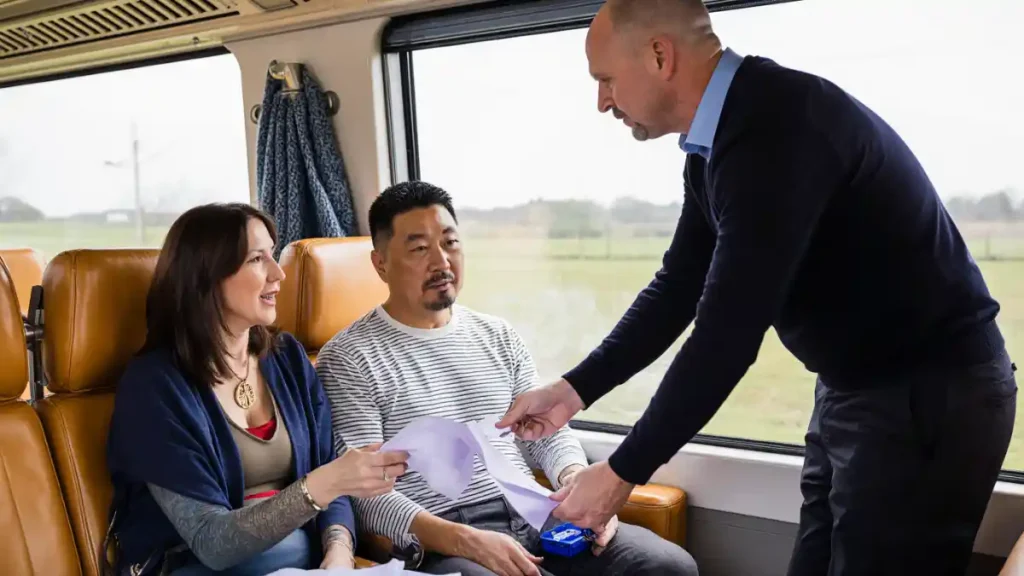
Once you’re settled into your seat, you’ll quickly notice Europe’s trains are designed for comfort and calm but that vibe depends on everyone playing by the same unspoken rules. Following Europe train etiquette while onboard keeps the ride pleasant for you and your fellow passengers.
Keep Noise Down
Europeans take “quiet zones” seriously especially on high-speed services like Thalys or SNCF’s TGV InOui. If your ticket shows a quiet carriage, treat it like a library on rails: no loud calls, no music on speakers, no video chats.
Even outside these zones, keeping your voice low is basic courtesy. Repeated noise disruptions can get you booted off the train at the next station, according to Deutsche Bahn’s Conditions of Carriage. So pop in those headphones, take calls in vestibule areas, and let everyone enjoy the ride in peace.
Respect Seats
Reserved seats are just that reserved. It doesn’t matter if you’re riding for “just one stop” you wouldn’t sit in someone’s assigned seat on a plane, right?
Also, resist the temptation to put your feet on the seat opposite you, even if the carriage is empty. In Germany, for example, some states issue fines for dirtying upholstery with shoes (DB AG, 7 of the Conditions of Carriage). Respecting seats is one of the simplest train travel safety tips Europe passengers swear by: everyone’s more comfortable when we share the space properly.
Mind Food & Smells
Love a good picnic on the rails? So do many European travelers but keep it considerate. Avoid foods with strong smells, especially in closed carriages where windows don’t open.
Bring tidy snacks, pack out your trash, and dispose of everything in station bins if onboard receptacles are full. No one wants to step over an abandoned sandwich or smell leftover curry for three hours!
Courtesy Seating
In most EU countries, priority seats are clearly marked for elderly passengers, pregnant travelers, and people with disabilities. It’s not just etiquette in many places, occupying a designated seat without qualifying for it can lead to fines or a polite request to move.
A simple glance around when the train fills up shows respect and awareness. Offering your seat to someone who needs it more is Europe train etiquette 101 and it’s a quick way to brighten someone’s day.
Country Quirks
- Italy: It’s common to greet your compartment with a polite “Buongiorno!” when you board and “Arrivederci!” when you leave.
- Switzerland: Punctuality is a point of pride speaking loudly or blocking doors can draw quick, icy stares.
Luggage & Security Etiquette
Your bags are your responsibility and how you handle them can make or break your train experience. Many travelers overlook this part of Europe train etiquette, but storing your luggage properly helps keep aisles clear, exits accessible, and your belongings safe from theft.
Stow Bags Correctly
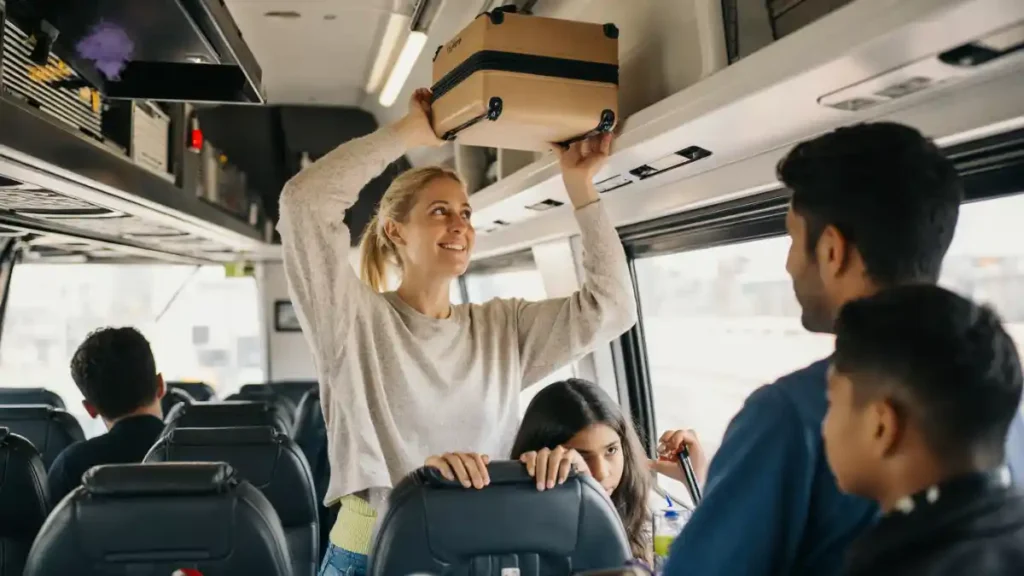
Unlike planes, European trains don’t have unlimited space for giant suitcases. Overhead racks are perfect for small backpacks, laptop bags, or daypacks. For bigger suitcases, use the designated luggage racks at the ends of the carriage.
Blocking aisles or doors with your bags isn’t just inconvenient for others it can cause delays when people try to get on or off. And on busy routes like Paris–Amsterdam or London–Edinburgh, boarding early can make the difference between snagging a good luggage spot and standing guard over your suitcase in the aisle for hours.
Keep Your Bags in Sight
Most European operators remind you that you’re legally responsible for your own luggage it’s written into EU Passenger Rights Regulation (EC) No 1371/2007. So, don’t assume someone else will watch your things if you doze off or head to the café car.
Keep valuables close, use a small lock or strap for extra peace of mind, and try to sit where you can glance at your bags if they’re in a communal rack. In busier stations, like Barcelona Sants or Milano Centrale, pickpocketing is an art form so a bit of vigilance goes a long way.
Managing Emergencies & Regional Tips
Even with the best planning, travel hiccups happen. Knowing how to handle delays, strikes, ticket checks, and local quirks will keep your trip smooth and your stress levels low. These extra train travel safety tips Europe style are the cherry on top of good train etiquette.
Handling Delays
Punctuality is Europe’s rail pride… most of the time. But delays do happen especially in countries like Germany, where Deutsche Bahn’s punctuality slipped below 70% in recent years.
If you miss a connection, head to a major hub station where staff can help you rebook. Often, ticket agents can endorse your ticket for the next available train at no extra cost but you’ll need to ask. Keep an eye on station announcements and departure boards for the latest info.
Validate Tickets
In some European countries, just having a paper ticket isn’t enough you need to validate it before boarding. Italy’s Trenitalia and many regional lines in France and Spain require this. Look for the small yellow or green machines near the platforms.
Skipping this step can be costly: fines for unvalidated tickets can run up to €200. If in doubt, ask a station attendant they’d rather answer than watch you get a surprise penalty onboard.
Strike Awareness
Rail strikes (scioperi) are a fact of life in some places especially France and Italy. They’re usually announced in advance, so always check official operator websites like SNCF Traffic Updates before you travel.
If you’re traveling during a strike, plan extra time and have a backup route or bus alternative in mind. Remember: your European train passenger rights may entitle you to partial refunds if your journey is heavily disrupted.
Female-Only Carriages
Traveling solo at night? Some European countries offer female-only compartments on certain routes, like late-night regional trains in Germany or the UK. They’re not always guaranteed, but they can add peace of mind if you’re feeling uneasy on a quiet overnight leg.
When in doubt, ask a conductor where these cars are located and how to reserve one if needed.
Your Final Boarding Call: Stay Respectful, Stay Safe
Train travel in Europe is more than just a way to get from A to B it’s about sharing space, respecting local customs, and staying aware so everyone can enjoy the ride. By practicing good Europe train etiquette and brushing up on these train travel safety tips Europe style, you’re not just protecting yourself you’re helping keep Europe’s iconic rail culture alive and welcoming for everyone.
Fast Quirks by Country
🇫🇷 France: Quiet zones and reserved seats are strict don’t test them.
🇩🇪 Germany: Always validate tickets and watch for on-the-spot DB fines.
🇮🇹 Italy: Validate tickets before boarding and expect a relaxed boarding vibe.
🇬🇧 UK: Doors close sharp, and courtesy lines really matter.
Got your own safety hacks or stories from European rails? We’d love to hear them share your best tips below! And if you’re ready to plan your next big adventure, don’t miss our complete Europe Rail Travel Planning Guide for routes, passes, and booking strategies that make the journey as smooth as the ride.
✅ Practical References:
