

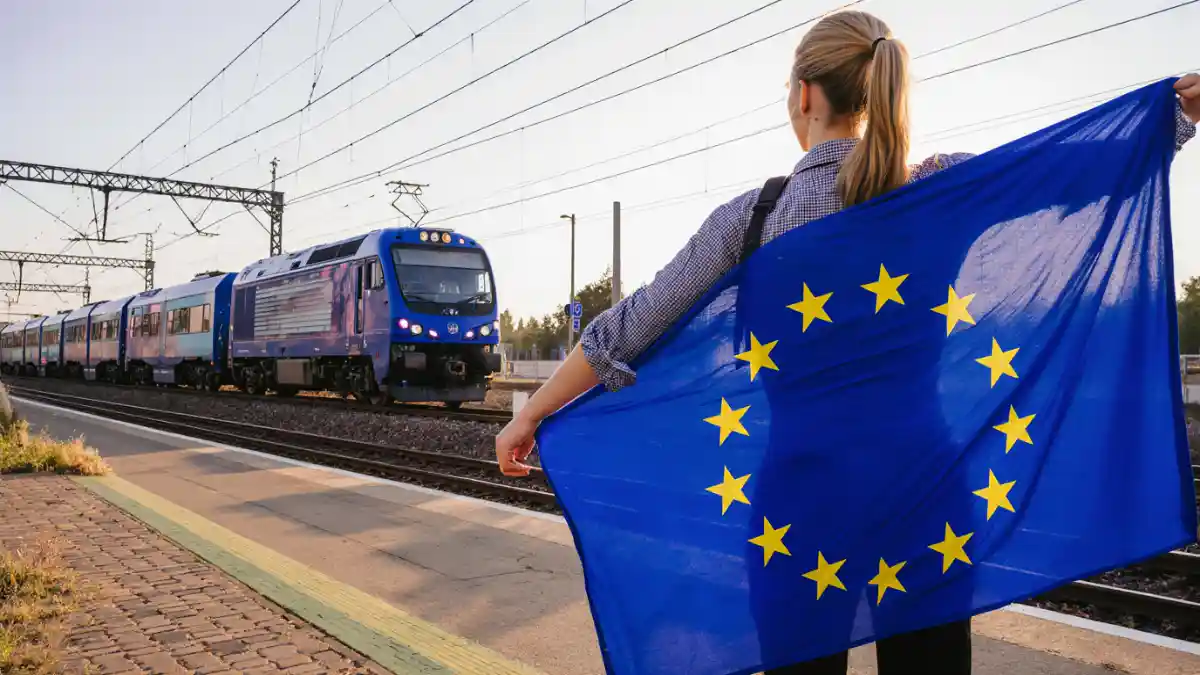
Imagine this: You’re gliding through the Swiss Alps, rolling past medieval castles in Germany, or watching vineyards flash by in rural France, all from the comfort of your train seat. Europe’s rail network makes this dream a reality. It’s one of the most efficient, scenic, and sustainable ways to explore the continent.
In this ultimate guide, you’ll learn everything you need to plan an unforgettable European rail adventure. We’ll cover how to choose the right rail passes, book cheap tickets, navigate diverse rail networks, and travel like a seasoned local.
So why choose train travel in Europe over budget flights or buses?
- Connectivity and Efficiency: Europe’s train system connects major cities, charming villages, and remote landscapes seamlessly no need to hassle with airport security or distant terminals.
- Sustainability: Rail travel often has a much smaller carbon footprint than flying or driving, making it a greener way to roam.
- Comfort and Convenience: Trains often take you straight to city centers, saving time and money. Plus, who wouldn’t prefer panoramic windows over cramped airplane seats?
- The European Rail Renaissance: With expanding high-speed lines and modern rolling stock, European train travel keeps getting better.
And if you’re dreaming about stunning scenery, these are the scenic train routes in Europe to make your itinerary truly magical.
Table of Contents
Rail Pass vs. Tickets Quick Quiz
Question 1 of 10
Mastering European Rail Passes: Eurail, Interrail, and More
Ready to unlock Europe’s rails like a pro? Rail passes can be the secret sauce for a flexible, money-saving adventure, but only if you know when and how to use them.
Understanding Rail Pass Options
Let’s break down your main choices:
- Eurail Global Pass: Perfect for non-European residents, this pass opens doors to 33 countries with unlimited travel days.
- Interrail Pass: The equivalent for European residents same concept, different eligibility.
- Country-Specific Passes: Sometimes you don’t need the whole buffet. Options like the France Rail Pass or the Swiss Travel Pass focus your journey on one region.
When to Choose a Pass vs. Point-to-Point Tickets
Is a pass always better? Not necessarily. If you’re hopping countries every other day, a pass can be a steal. But if you have a tight, fixed itinerary, point-to-point tickets bought in advance may save you more.
Curious how rail stacks up against other travel modes? Take a moment to compare train travel with budget flights or buses so you’re making the smartest choice for your route and budget.
Maximizing Value from Your Rail Pass
- Seat Reservations: Don’t get caught off guard! Popular high-speed routes like TGVs or Eurostar often require paid reservations; book them early to guarantee a seat.
- Classes of Service: First-class passes offer quieter cars and extra legroom, while second-class can be perfectly comfy for budget-savvy travelers.
- Booking Smarts: Many trains open bookings up to 90 days in advance. Set reminders to snag the best availability.
And for savvy travelers wanting extra options, check out the Best Rail Pass Alternatives for more ways to save.
Navigating European Train Tickets & Reservations
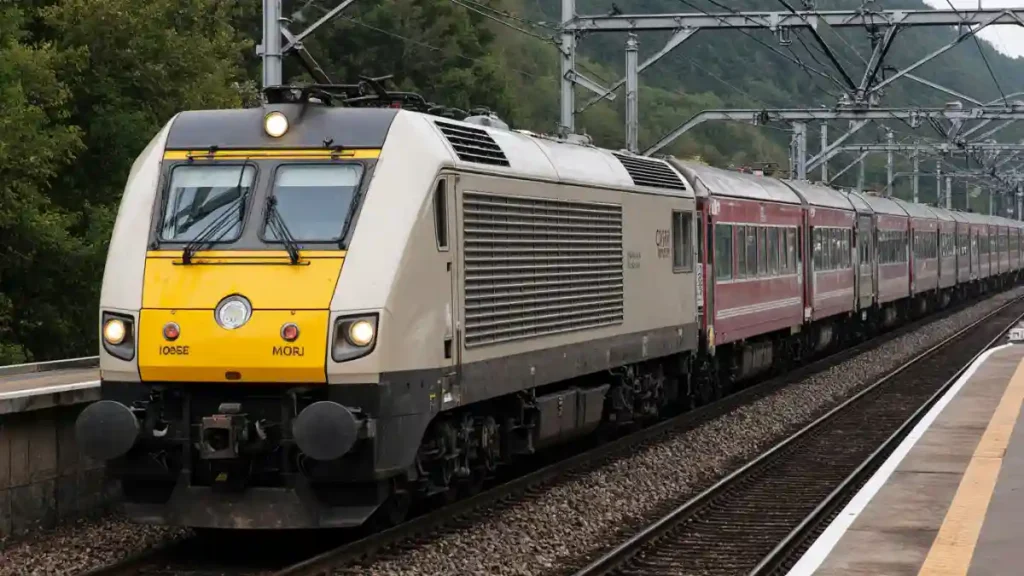
So, you’ve got your itinerary mapped out, but how do you actually book those train rides without blowing your budget? Europe’s rail booking system can feel like a maze, but once you know the tricks, you’ll glide through it.
How to Buy Point-to-Point Tickets
If you’re not using a rail pass for every leg of your trip, you’ll likely need to buy individual tickets.
- Book Early: Many European train operators offer steep discounts for advance bookings, sometimes up to 50% off! Popular websites like SNCF for France or Deutsche Bahn for Germany are great starting points.
- Use Discount Cards: Are you under 26, a senior, or traveling as a family? Countries like France offer discount cards (e.g., €49 for a 30% youth discount).
- Where to Buy: You can book online, through apps, or at station ticket offices, but online is almost always cheaper and more convenient.
Want to get the best deal every time? Don’t miss our tips for booking cheap train tickets in Europe for insider hacks.
Seat Reservations for High-Speed and Night Trains
Not all tickets are equal. Some trains, especially high-speed ones, require seat reservations on top of your ticket.
- High-Speed Trains: TGV, Eurostar, Frecciarossa, ICE they all need a reserved seat, often with limited availability.
- Night Trains: If you dream of falling asleep in Paris and waking up in Venice, book a sleeper cabin in advance. Compartments vary from basic bunks to deluxe en suites.
Pro tip: Reservations can sell out during peak travel months, so book as soon as possible.
Finding Schedules and Routes
Europe’s rail networks are well-connected, but it pays to check schedules in advance.
- Online Tools: Sites like the European Rail Timetable or national rail apps will show you up-to-date departures, connections, and reservation requirements.
- Cross-Border Planning: Some routes require special reservations or even a bogie exchange (like between Spain and France).
Spend a little time upfront planning your connections, and you’ll thank yourself when you’re breezing through the station with time to grab a coffee.
Understanding Europe’s Diverse Rail Landscape
Did you know that Europe’s rail systems aren’t all the same? A little behind-the-scenes knowledge will help you plan routes without surprises.
Track Gauge Variations
Europe’s rail history means you’ll find a patchwork of track sizes:
- Standard Gauge (1,435 mm): The most common, covering most of mainland Europe and all high-speed lines.
- Broad Gauge: Found in Russia and parts of Eastern Europe (1,520/1,524 mm) or the Iberian Peninsula (1,668 mm in Spain and Portugal).
- Narrow-Gauge: Common in mountainous regions like Switzerland.
Why does this matter? Some borders require bogie exchanges (swapping wheelsets) or new infrastructure to cross gauges smoothly.
Electrification Systems and Traffic Directions
Europe’s railways run on different voltages and current types. Cross-border trains often need multi-system locomotives to keep moving seamlessly.
Also, did you know some countries run trains on the left-hand track (UK, France, Switzerland), while others use the right? It’s a quirky detail, but it shapes train design and platform layouts.
Major High-Speed Rail Networks
If you love speed, Europe’s your playground.
- Spain has the largest high-speed network.
- France’s TGV, Germany’s ICE, Italy’s Frecciarossa, Austria’s Railjet, and the UK’s Eurostar connect cities and countries at up to 320 km/h.
- Cross-Border Routes: Direct high-speed services like TGV Lyria (France-Switzerland) or Eurostar (UK-France-Belgium-Netherlands) make border-hopping a breeze.
Rail Travel Tips
No matter how many tickets you book or passes you flash, it’s the small tips that make train travel truly stress-free. Let’s make sure you’re prepared for anything.
Packing Smart for Trains
European trains have limited luggage space, so think compact and functional. Opt for soft-sided bags that fit in overhead racks or behind your seat.
Rolling your clothes, packing a small daypack for valuables, and using packing cubes can work wonders.
Navigating Train Stations Like a Pro
Busy European stations can be a maze of platforms, departure boards, and bustling travelers.
- Arrive early for big hubs like Paris Gare du Nord or London St.Pancras.
- Download the local rail app for live updates.
- Don’t be shy; station staff are usually helpful (and often speak English).
Need more hacks? See our guide on How to Navigate European Train Stations Like a Pro.
Dealing with Disruptions and Using Tech
Strikes or unexpected delays do happen. Stay calm and have a backup plan:
- Use apps to track live departures and alternatives.
- Follow local rail company updates on social media.
- If you miss a connection, staff can often endorse your ticket for the next train.
Keep your phone charged and a local SIM or eSIM ready so you’re never stuck without maps or translations.
Safety and Etiquette
Train travel is generally safe, but common sense goes a long way:
- Watch your bags, especially at major stations.
- Keep valuables on your lap or under your feet.
- Be courteous: respect quiet zones, don’t hog extra seats, and keep noise down at night.
Want to blend in like a local? Brush up on important Europe train etiquette & safety tips before you roll out.
Your Next Rail Travel Awaits
Europe’s railways aren’t just a way to get from A to B; they’re a story in motion.
From panoramic mountain passes to buzzing capital hubs, every ride holds a new memory waiting to happen.
So take what you’ve learned, map out your dream routes, and book with confidence. The tracks are calling and your European rail adventure is about to begin.
