

Handling discrimination while traveling requires a clear, protective plan focused on your safety first, then documentation, and finally adjusting your itinerary if needed. This guide walks you through concrete steps you can take immediately, the fastest ways to get help, and small planning choices that reduce risk without limiting your trip.
No one should face discrimination anywhere, but knowing how to respond when it happens keeps you in control of your journey. Whether you’re planning your first multi-country route with our Europe trip planner or already on the road, the actions below work in the moment and help you reset quickly.
Table of Contents
What Discrimination Can Look Like in Travel Situations
Discrimination during travel often appears in situations where you’re seeking a service, moving through a public space, or interacting with authority figures. Recognizing these moments helps you respond faster and more effectively.
Service Refusal or Hostility
You may be told a room is unavailable despite online listings showing availability, served last or ignored entirely, quoted higher prices than posted rates, or subjected to rude comments tied to your identity.
These encounters typically happen at check-in desks, restaurant seating areas, or when asking for basic services. Staff may cite vague “policy” without explanation or simply avoid eye contact and refuse engagement.
If the behavior feels discriminatory, ask once for a manager or supervisor. If the response doesn’t change, leave and document the business name, time, and what was said.
Harassment in Public Spaces
Verbal harassment, staring, or physical crowding can occur on streets, platforms, buses, or trains. It often escalates in less crowded areas or late at night.
Move toward groups, well-lit areas, or staffed points like ticket booths or station offices. Change your route or enter a shop if someone follows you.
Your priority is space and visibility, not confrontation. Many harassment incidents stop when you move into a busier, more supervised setting.
Unfair Treatment During Check-in or Security
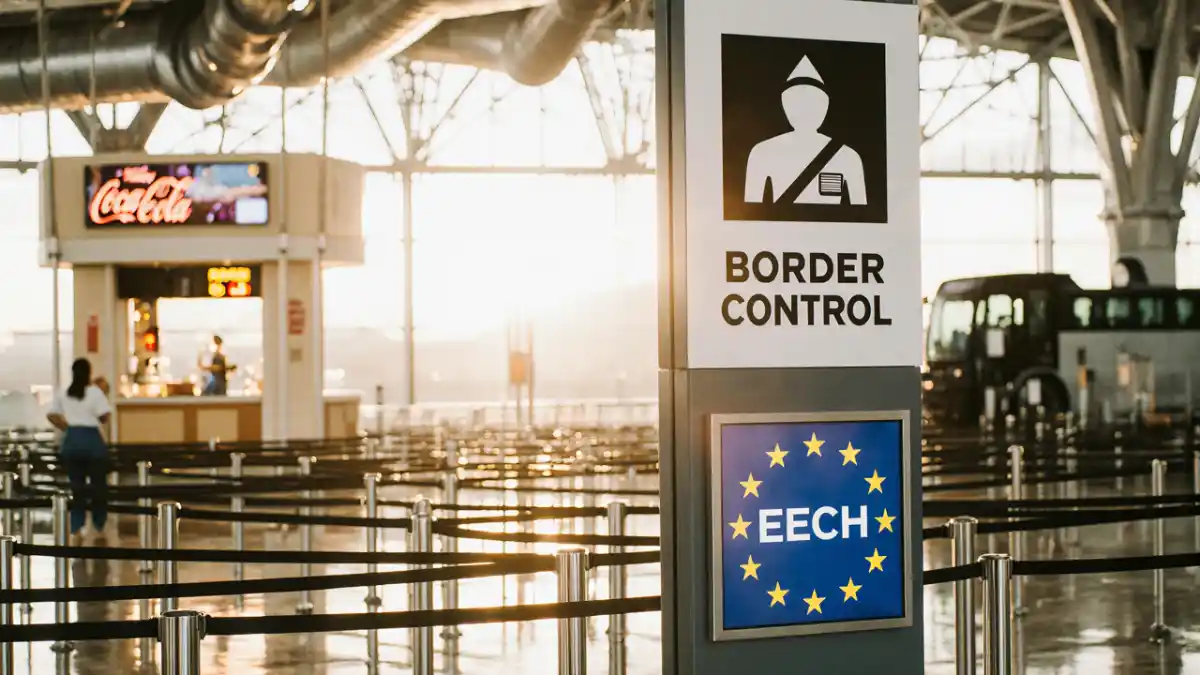
Airport or border staff may ask invasive questions unrelated to your documents, separate you for additional screening without clear reason, or handle your belongings roughly. Train conductors or ticket inspectors may question your ticket validity more aggressively than they do others.
Stay calm, answer only what’s required, and do not argue. Ask politely for the officer’s name or badge number if treatment feels clearly biased.
If it’s safe to do so, write down the details immediately after: location, time, officer description, and what was said. Report through the official channel of the transport company or airport later.
The U.S. Department of State offers Race and Ethnicity Travel Safety guidance that covers what to expect in different regions and how to prepare for varied treatment at borders and checkpoints.
The First Response: Stay Safe, Exit Cleanly, Document Only If Useful
Your first goal is always physical safety and emotional control. Everything else, including documentation or reporting, comes second.
Your Immediate Safety Steps
Move to a staffed area: hotel lobby, train station office, café with other customers, or any space with witnesses and employees present.
If you’re on the street, walk toward light, people, and open businesses. Change direction if someone follows; enter a shop or cross to a busier block.
Do not engage in argument or try to “win” the interaction. Your job is to remove yourself, not to educate or confront.
When to Document
Document only if it’s safe and likely to matter. This means:
- You plan to file a formal complaint with the business, platform, or authorities
- You booked through a third party (Booking.com, Airbnb) and need evidence for a refund or support ticket
- The incident involves a service you paid for and did not receive
Take a photo of the business name, write down the time and a two-sentence summary, and note any staff names if visible.
Skip documentation if it prolongs the interaction, makes you a target, or puts you in a less safe position. Your memory and a written note five minutes later work just as well.
How to Keep Control of Your Day After an Incident
Give yourself 15 minutes to reset in a safe, calm space. Order a coffee, sit in a park, or return to your accommodation.
Then decide: continue as planned, skip one activity and adjust timing, or change your base for the night if the area feels consistently uncomfortable.
Small resets prevent one bad interaction from derailing an entire day. Tips for traveling solo in Europe include similar advice for regaining control after unexpected events.
Getting Help: The Fastest Practical Options
Knowing who to contact first saves time and reduces stress when you need support.
Who to Contact First
Start with the person closest to the problem:
- Venue manager if you’re in a hotel, restaurant, or shop
- Platform or booking support (Airbnb, Booking.com, Uber) if you booked online
- Transport operator (train company, metro help desk) if the incident happened on public transit
- Local police or 112 (the EU-wide emergency number) only if you’re in immediate danger or a crime occurred
Most European cities also have tourist assistance hotlines that can help you find alternative accommodation or connect you with local support services.
How to Ask for Help in One Sentence
Use simple, direct wording:
- “I was refused service without reason. I need to speak to a manager.”
- “I’m being followed. Can I wait here while I call someone?”
- “I booked this room online, but I’m being told it’s unavailable. Can you help me resolve this?”
Clarity and calm tone get faster responses than detailed explanations or emotional appeals.
If You’re in a Hotel: Quick Relocation Strategy
If hotel staff treat you poorly or you don’t feel safe in your room, contact your booking platform immediately and request relocation support.
Search for alternative lodging nearby using filters for instant confirmation and high review counts. Book first, then resolve the refund or cancellation with the original property through the platform.
Pack your essentials and move the same evening if possible. Staying in a hostile environment overnight rarely improves the situation.
Planning Choices That Reduce Risk Without Shrinking Your Trip
Small adjustments to where you stay and when you move can reduce friction without limiting what you see or do.
Choose Lodging in Well-Connected Areas
Stay near metro stations, main train hubs, or pedestrian-friendly neighborhoods with cafés and shops that stay open into the evening.
Central or transit-adjacent areas give you more exit options, more witnesses, and faster access to help if something goes wrong.
Avoid isolated streets, industrial zones, or accommodations requiring long walks through empty areas after dark.
Prefer Daytime Moves
Move between cities, switch accommodations, or explore new neighborhoods during daylight hours.
Late-night arrivals increase stress, limit your ability to assess surroundings, and reduce access to help if your lodging isn’t as expected.
Book trains or buses that arrive before 6 p.m., and plan check-ins for mid-afternoon when staff are fully available.
Keep a “Safe Fallback” List in Every Base
Identify three places within 10 minutes of your accommodation where you can sit, reset, or wait:
- A café or restaurant
- A hotel lobby (doesn’t have to be yours)
- A transit hub or station with staff
Save these locations offline in your maps app. If you need to leave your room or change plans quickly, you’ll have an immediate destination instead of wandering under stress.
Solo travelers, especially women, benefit from this strategy during evening hours. Extra tips for solo women travelers in Europe expand on night planning and situational routines.
If It Happens During Transport (Train/Metro/Taxi)
Transit environments create confined spaces where you may feel trapped. Knowing your exit and escalation options ahead of time keeps you safer.
Switch Cars/Areas, Use Staffed Points, Keep Your Exit Plan
On trains or metro, move to a different car immediately if someone harasses you or makes you uncomfortable. Walk toward the conductor’s cabin or the car closest to the driver.
On buses, sit near the driver or in well-lit sections with other passengers.
In taxis or rideshares, if the driver makes inappropriate comments or takes an unexpected route, ask to be let out at the next safe, public location. Rate and report through the app afterward.
Always know your next stop and have a backup exit: the station name, nearby landmark, or address of a public building.
Report Through the Right Channel
National rail companies and metro systems typically have customer service emails, hotlines, or in-app reporting for incidents.
Rideshare platforms (Uber, Bolt, Free Now) allow you to report driver behavior directly in the trip history.
Use these channels within 24 hours while details are fresh. Include the time, route, car or driver number, and a brief description.
Reporting creates a record and may prevent the same issue for other travelers, but your immediate priority is always getting to a safe location.
Travel Documents and Account Hygiene
Being able to move fast when plans change depends on having your essentials accessible, even offline.
Keep Essential IDs, Bookings, and Contacts Accessible Offline
Save PDF copies of your passport, visa (if applicable), travel insurance card, and all lodging confirmations in an offline folder on your phone.
Screenshot your travel documents for Europe checklist and any booking reference numbers.
Store one emergency contact (friend, family, or your country’s consulate) in your phone’s favorites and write it on paper in your wallet.
If your phone dies or you lose internet access, you’ll still be able to check in, prove your identity, and reach help.
Quick Wrap: A Simple Plan You Can Follow Under Stress
When something goes wrong, simplicity beats complexity. Here’s the core plan.
3 Steps: Move, Reset, Re-Plan
- Move to a safe, staffed, or public location immediately.
- Reset for 10–15 minutes: sit, breathe, drink water.
- Re-plan your next few hours: continue, skip one thing, or relocate.
This sequence works whether you’re dealing with harassment, service refusal, or an unsafe feeling in your accommodation.
2 Backups: Contacts, Documents
Always have two ways to reach help and two ways to prove your plans:
- Emergency contact + booking platform support
- Digital documents + paper backup or screenshot
Redundancy removes single points of failure when you’re under pressure.
1 Anchor: A Calm Place You Can Always Return To
In every city, identify one place that feels safe and predictable: your hotel lobby, a quiet café, a library, a large train station.
When in doubt, return there. It’s your reset point and your launchpad for next steps.
Before you leave home, run through your full preparation list using the before you leave checklist for Europe to ensure your documents, contacts, and backup plans are ready.
