

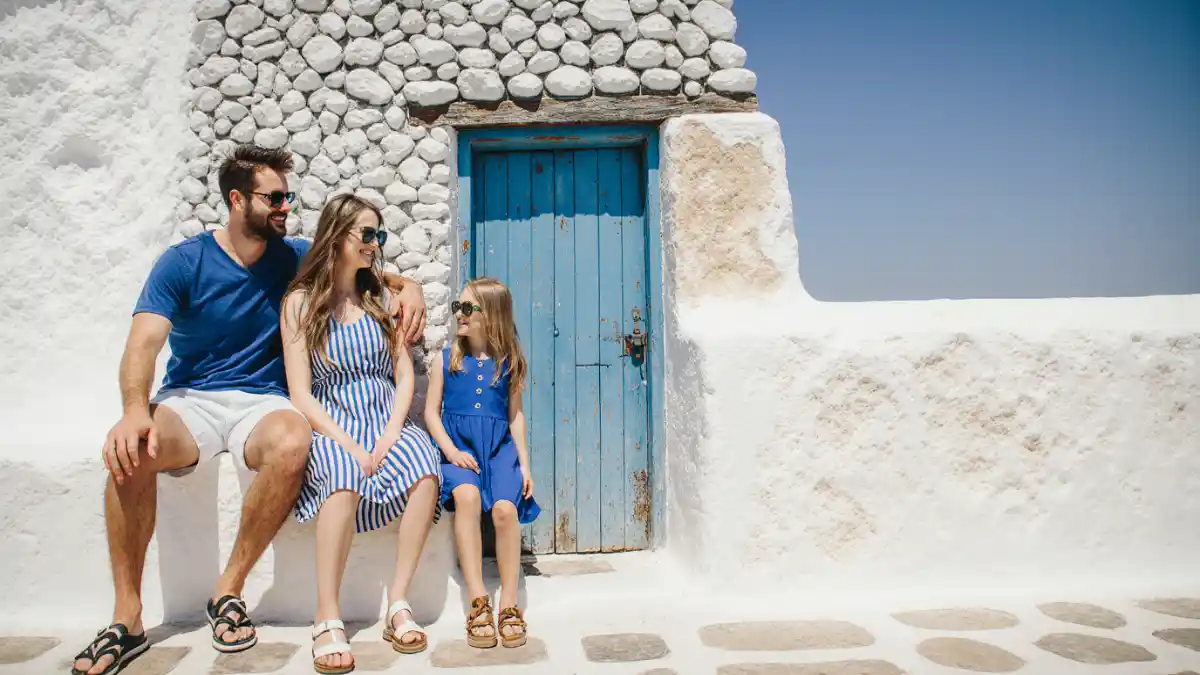
Making the most of a Europe trip with kids means building days around simple, repeatable patterns that protect energy, prevent meltdowns, and give everyone small wins. It’s less about seeing everything and more about keeping the rhythms that make travel feel manageable instead of chaotic.
This isn’t about whether to take kids to Europe, that’s a separate decision you’ve already made if you’re reading this. What follows are day-to-day tactics: how to structure mornings, handle museum visits, recover from bad-weather days, and keep everyone fed and rested without constant negotiation.
Table of Contents
Making the most of a Europe trip with kids
Family travel feels easy when you remove small friction points before they snowball. That means predictable meal times, accommodation close to what you’ll actually do, and a plan that bends without breaking when someone melts down or a train is delayed.
The goal isn’t perfection. It’s building enough structure so that one missed nap or rainy afternoon doesn’t derail the entire day. Small routines, a few backup options, and knowing when to skip an activity will do more than any ambitious itinerary.
Use the Europe trip planner framework to build the skeleton, then apply the family-specific tactics below to make it actually work.
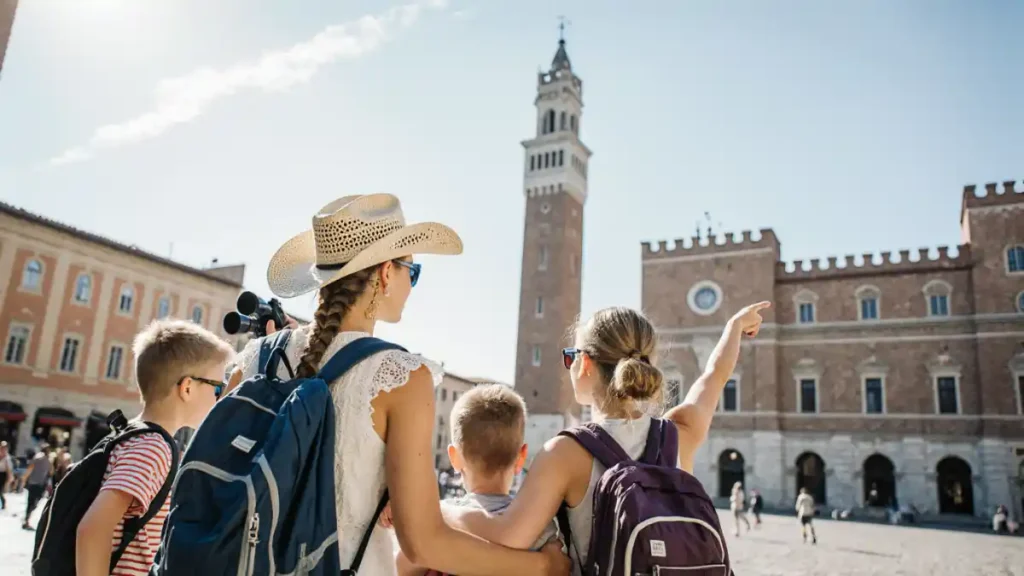
Build the day around anchors
Each day should have one clear “thing,” one loose exploration window, and one built-in reset. This pattern prevents decision fatigue and gives kids (and parents) a rhythm they can predict.
One “anchor activity” + one “free wander” + one “reset”
Pick one planned activity per day: a museum, a park, a specific neighborhood, or a boat ride. That’s your anchor. Everything else is optional.
Add one unstructured block for walking, playground stops, or poking into shops. This is where spontaneous moments happen, and where kids burn energy without a ticket or reservation.
Schedule one reset window: back to the room, a long café break, or a picnic in a quiet square. This is non-negotiable recovery time, especially for younger kids.
Sites on the UNESCO World Heritage List make reliable anchor activities because they’re visually engaging, culturally significant, and usually offer kid-friendly elements like castles, old towns, or dramatic landscapes.
Protect meal and rest windows
Eat before hunger becomes a crisis. That means breakfast by a set time, lunch no later than 1 PM, and dinner early enough that no one is melting down at the table.
Rest isn’t optional for young kids. Build in a midday break, even if it’s just 45 minutes in the room with a snack and a book. Skipping it once might work, skipping it three days in a row won’t.
If the day goes off-plan, download offline maps in Google Maps so you can navigate to the nearest café, restroom, or playground without Wi-Fi or panic.
Pace that works for kids
Pacing is the difference between a trip everyone remembers fondly and one that ends in exhaustion. Slow down more than feels necessary, especially in the first few days.
Fewer bases, more repeat mornings
Stay in fewer cities and spend more nights in each. Three nights minimum per base gives kids time to settle, parents time to learn the neighborhood, and everyone a chance to build a small routine.
Repeat mornings in the same café or bakery. Familiarity reduces decision load and gives kids something to look forward to. It also makes mornings faster.
For route logic and how to string together bases without over-moving, check the Europe trip itinerary tips guide.
The “moving day” rule: keep plans light
On days you change cities, do almost nothing else. Moving with kids and luggage takes twice as long as you think, and everyone will be tired by the time you arrive.
Plan only for check-in, a walk to find dinner, and maybe a quick orientation loop. Save the anchor activity for the next day.
How to spot “too much” early and adjust
Watch for these signs:
- Kids asking “what’s next?” with dread instead of curiosity
- More tantrums than usual
- Parents snapping at each other over small logistics
- Everyone dreading the morning instead of enjoying breakfast
When you spot them, cut one activity, add a rest block, or take a full “do nothing” day. Adjusting early prevents a multi-day downward spiral.
Lodging routines that save energy
Where you stay and how you set it up shape the entire trip. Get this right and everything else gets easier.
Location beats amenities
Stay within a 10-minute walk of your anchor activities, grocery stores, and transit. Proximity means fewer long hauls with tired kids, quicker resets, and the ability to duck back to the room when needed.
A central location beats a nicer room with a long commute. Kids don’t care about marble bathrooms, they care about not being dragged across town when they’re exhausted.
Room setup: snacks, water, pajamas, chargers
When you arrive, spend two minutes setting up the room so it works:
- Snacks and water bottles in one visible spot
- Pajamas and toiletries unpacked
- Chargers plugged in near beds
- Bags stacked out of the walkway
This tiny routine prevents the nightly scramble and gives kids a clear, predictable space.
Laundry strategy so you pack less
Do laundry every 4-5 days. Most European cities have laundromats or hotel laundry services. Packing fewer clothes means lighter bags, faster packing, and less decision fatigue.
Bring only what fits in one carry-on per person. Use the Europe packing list to figure out what’s essential and what you can skip.
Food: avoid hangry travel days
Hunger is the fastest route to a terrible day. Feed kids before they ask, and always have a backup plan.
The snack rule
Carry snacks everywhere. Always. Granola bars, crackers, dried fruit, and juice boxes prevent meltdowns when lunch is delayed or a restaurant is full.
Buy snacks locally. European grocery stores have great options, often cheaper and more interesting than what you’d pack from home.
Restaurant strategy
Eat early, especially dinner. Arriving at 5:30 or 6 PM means shorter waits, quieter dining rooms, and kitchens that can accommodate simple requests.
Look for places with visible food (bakeries, cafés with display cases, pizza by the slice). Kids can point, parents can order fast, and no one has to decode a long menu under pressure.
Order one or two safe dishes the kids will eat, plus one or two things you want to try. Don’t fight over every meal. Some days, plain pasta is fine.
Grocery “reset meal” plan
When restaurants aren’t working, hit a grocery store and build a picnic or an in-room meal. Bread, cheese, fruit, rotisserie chicken, and yogurt make an easy, low-stress dinner.
This also works as a midday fallback when everyone’s tired and no one wants to sit in a café for an hour.
Getting around with kids
Transit friction drains energy fast. Small planning decisions here make a huge difference.
Strollers and stairs: how to pick routes that don’t break the day
Check ahead for elevators at metro and train stations. Not all European transit is stroller-friendly, and hauling a stroller plus luggage up three flights will wreck your mood.
If you’re using a stroller, pick a lightweight, compact one. Cobblestones and narrow sidewalks make big strollers a liability.
For older kids, skip the stroller and plan for more frequent rest stops.
Stations and airports: arrival plan + bathroom plan
When you arrive at a new station or airport, pause and orient:
- Find the bathrooms first
- Locate the exit you need
- Identify a café or seating area for regrouping
Rushing through a station with confused kids creates stress. Two minutes of orientation saves ten minutes of backtracking.
Tickets and reservations: keep essentials offline (screenshots)
Screenshot all tickets, reservations, and booking confirmations. Save them in a dedicated phone folder and keep a backup on a second device.
Wi-Fi fails, apps crash, and email search is slow when you’re standing in a ticket line with tired kids. Offline access removes that friction.
Museums and attractions: make them kid-friendly
Museums don’t have to be a slog. Shorten visits, add a game, and know when to bail.
60-90 minutes is often enough
Plan for short visits. Younger kids lose interest fast, and even older kids rarely want to spend three hours in a museum.
Pick two or three highlights, see them, and leave. You can always come back another day if someone’s engaged.
“Treasure hunt” framing
Turn the visit into a game:
- Find five animals in the paintings
- Spot the oldest object in the room
- Count how many sculptures have missing arms
Simple prompts keep kids looking and engaged without requiring deep art history knowledge.
Split-parent strategy
If one kid is done and one wants to keep exploring, split up. One parent exits with the tired kid, the other finishes the visit.
Meet at a café or park nearby. No guilt, no power struggle, everyone gets what they need.
Meltdowns and bad-weather days
Even with good planning, things go sideways. Here’s how to recover fast.
The fastest reset: warm drink + indoor space + predictable plan
When a meltdown hits, stop moving. Find the nearest café, order something warm, and sit for 20 minutes.
Once everyone’s calm, offer a simple, predictable plan: “We’ll walk back to the room, rest for an hour, then go to the park.” Clear expectations help kids regulate.
Build a “bad-weather fallback” list in every base
Before you arrive, identify:
- One indoor play space or kid-friendly museum
- Two or three cafés with space and patience for families
- A bookstore, library, or shopping arcade with cover
When rain cancels your outdoor plans, you’ll have options ready instead of scrambling.
Documents and insurance
A few family-specific items need extra attention before you leave.
Kids’ documents basics
Make sure every child has a valid passport with at least six months before expiration. Some countries require it even if you’re only staying a week.
If you’re traveling without both parents, carry a notarized letter of consent from the absent parent. Not every border agent asks, but some do, and it’s faster to have it ready.
For full details, review the travel documents for Europe checklist before you book.
Why insurance can matter more with kids
Kids get sick, break bones, and have unpredictable needs. Travel insurance that includes medical coverage and trip interruption protection is more valuable with children than on solo trips.
Read the fine print on what’s covered, especially emergency evacuation and repatriation. For family-specific coverage details, see the travel insurance for Europe guide.
Quick family checklist
Use this before every trip:
- Passports valid for 6+ months
- Travel insurance with medical and interruption coverage
- Consent letter if traveling without both parents
- Tickets and reservations screenshotted offline
- Snacks packed and restocked every 2 days
- Room locations within 10 minutes of anchor activities
- Laundry plan every 4-5 days
- One “bad weather” option per base
- One reset window built into each day
- Offline maps downloaded for each city
For a more complete pre-departure list, including tasks and timelines, check the before you leave checklist for Europe.
Making the most of a Europe trip with kids isn’t about doing more, it’s about doing less, better. Protect the routines, build in margin, and remember that the best days are the ones where no one cries at dinner. If you’re still weighing whether to go at all, the guide on should you take kids to Europe covers the decision-making process in detail.
