

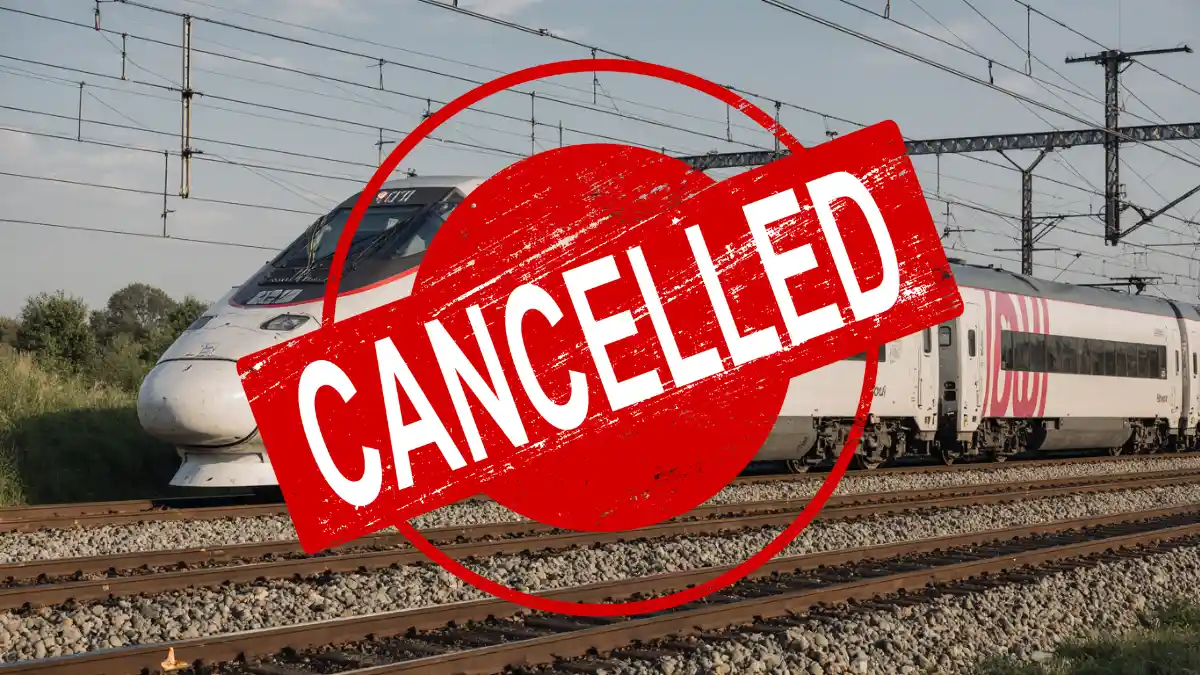
Even in Europe, famous for its efficient rail network, trains get canceled or delayed. It happens! The key is to stay calm, know your rights, and take quick action so you’re not stuck longer than necessary.
This guide is your mid-trip action plan. It’s not about how to prepare for strikes or ask for a refund weeks in advance; it’s about what to do right now if your train is cancelled or you’re staring at the departure board with a two-hour delay.
You’ll get clear steps, official EU passenger rights, and real examples from routes like DB ICE, TGV, and Renfe so you’re never left guessing.
Want to plan smarter and avoid common slip-ups next time? Start with Europe Train Travel Tips: Must-Know Pre-Trip Essentials is your big-picture guide to staying prepared before you ever step onboard.
Table of Contents
Know Your Rights as a Rail Passenger
A calm traveler is an informed traveler; knowing the rules gives you leverage.
EU Passenger Rights Basics
In the EU, you’re protected under Regulation (EC) No 1371/2007, the Passenger Rights Regulation for rail. If your train is delayed more than 60 minutes or cancelled, you have the right to rerouting, assistance, or a refund.
📌 Official link: EU Rail Passenger Rights
How Compensation Works for Delays & Cancellations
Compensation basics:
- 60–119 min delay: 25% of your ticket refunded.
- 120+ min delay: 50% back.
- If your train is cancelled, you can ask for rerouting or a full refund plus hotel costs if you’re stranded overnight (keep receipts!).
Operators like DB and SNCF have online claim forms, but it’s best to get proof of delay before you leave the station.
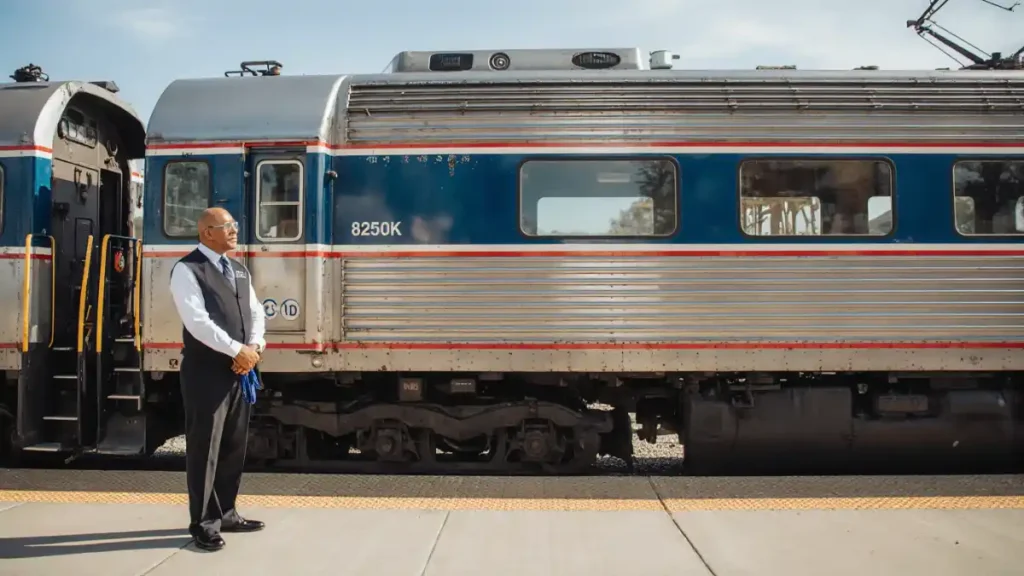
What to Do Immediately If Your Train is Cancelled
Time matters. Here’s your quick action plan:
Finding Station Staff or Ticket Desks
Head straight to the operator’s ticket desk or service center. Many major stations have a DB Reisezentrum (Germany), SNCF Boutique (France), or Renfe Office (Spain). Get written confirmation of your cancellation; a stamped ticket or printout makes claims easier.
“Last summer, my TGV was cancelled due to a strike. The staff handed out forms at the station; don’t just leave without them!” Sofia, Lyon to Paris
Using Rail Apps & Websites to Rebook Fast
Sometimes rebooking at the desk takes forever. Open your operator’s app (DB Navigator, SNCF Connect, Renfe Ticket), or check Omio/Trainline for open seats on alternative routes. Staff can transfer you for free if it’s the same operator.
Getting a Hotel If You’re Stranded Overnight
If no onward train is available the same day, ask the staff if the operator covers a hotel. DB and ÖBB often do for overnight delays due to disruptions, but you must get it approved first.
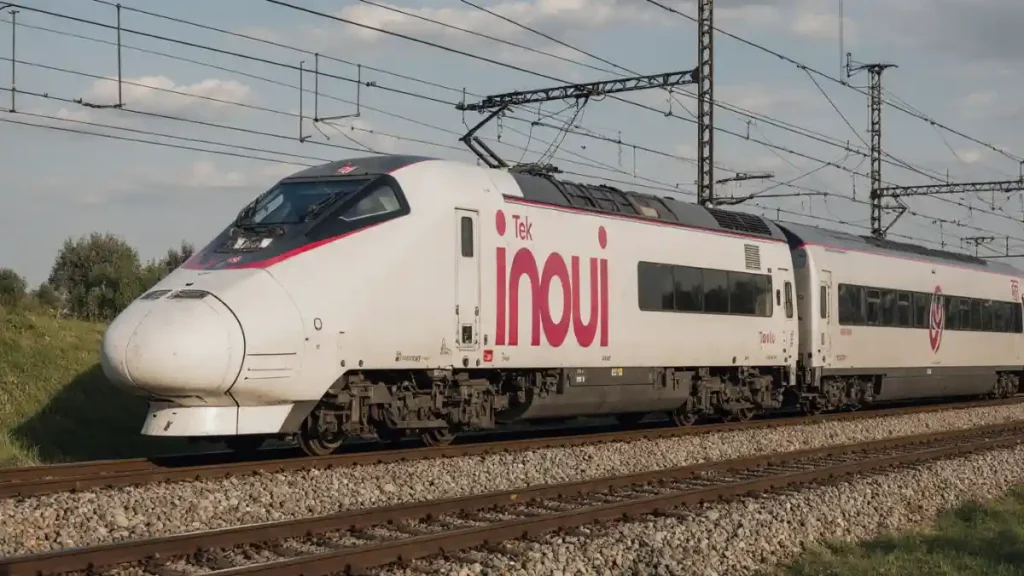
What to Do If Your Train is Delayed Mid-Route
Delays mid-trip can be tricky, especially with connections.
Handling Missed Connections
If you miss a reserved connection, find the next available train and see if your seat reservation is valid on that one. DB and SNCF usually endorse your old ticket if the delay was their fault. Always ask the conductor for a delay confirmation (“Bescheinigung” in Germany).
Talking to Conductors Onboard
Don’t sit in silence. Conductors can give you real-time updates, rebooking advice, or help you find a seat on the next train.
Country quirks:
- ICE (Germany): Conductors often know connecting train platforms.
- TGV (France): Staff may help book you onto another TGV or Intercités.
- Renfe (Spain): Rebooking must often be done at the next station; staff may give you a form onboard.

Special Situations: Strikes & Weather Disruptions
Strikes and storms happen; here’s what to do once you’re affected.
How Strikes Differ by Country
France is infamous for rail strikes (grèves). You’re still protected; the operator must offer rerouting or a refund. In Germany, strikes are rarer but handled smoothly. Spain’s Renfe usually gives advance warnings, but if you’re mid-trip, check staff announcements immediately.
Using Alternative Routes or Carriers
Sometimes the only fix is hopping onto another carrier. Apps like Omio or Rail Planner can show local buses or FlixTrain alternatives, but check if your original ticket covers it. Often it won’t, but some operators issue cross-carrier vouchers.
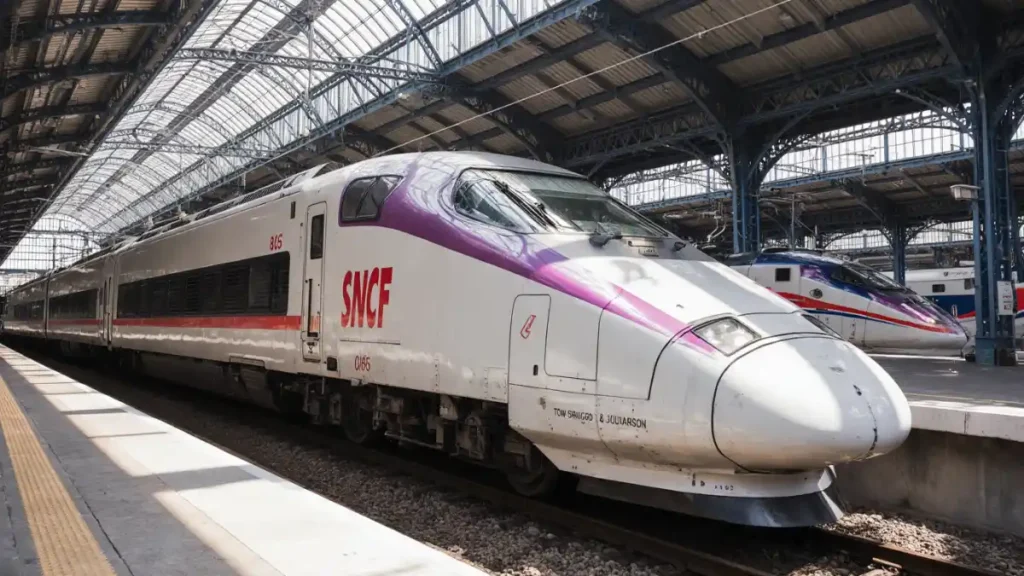
Money Back: How to Claim Refunds or Compensation
If you’re already mid-trip, make your life easier by getting proof immediately.
Where to File a Claim (Operator Links)
Keep these links handy:
What Paperwork You’ll Need
✅ Original ticket
✅ Delay or cancellation proof (stamped by staff or screenshot from app)
✅ Any hotel or meal receipts
Quick Disruption Survival Checklist
When your train gets cancelled or delayed, remember:
- ✅ Keep your original ticket and get a stamp or printout.
- ✅ Use live apps to check alternate routes.
- ✅ Talk to conductors; they can endorse tickets.
- ✅ Keep receipts for hotels or taxis.
- ✅ Know where the staff desks are at your station.
Want tools that help you react fast? Read Best Mobile Apps for Europe Rail Travelers. And for mistakes to avoid before you go, check Europe Train Travel Mistakes to Avoid Before You Go.
Final Words
Trains get canceled. Delays happen. But if you stay calm, know your rights, and take action on the spot, you’ll be rolling again in no time with your refund sorted, too.
Don’t panic: save this guide, share it with your travel buddies, and check What to Expect Onboard European Trains for more real-world tips to make every journey smoother.
