

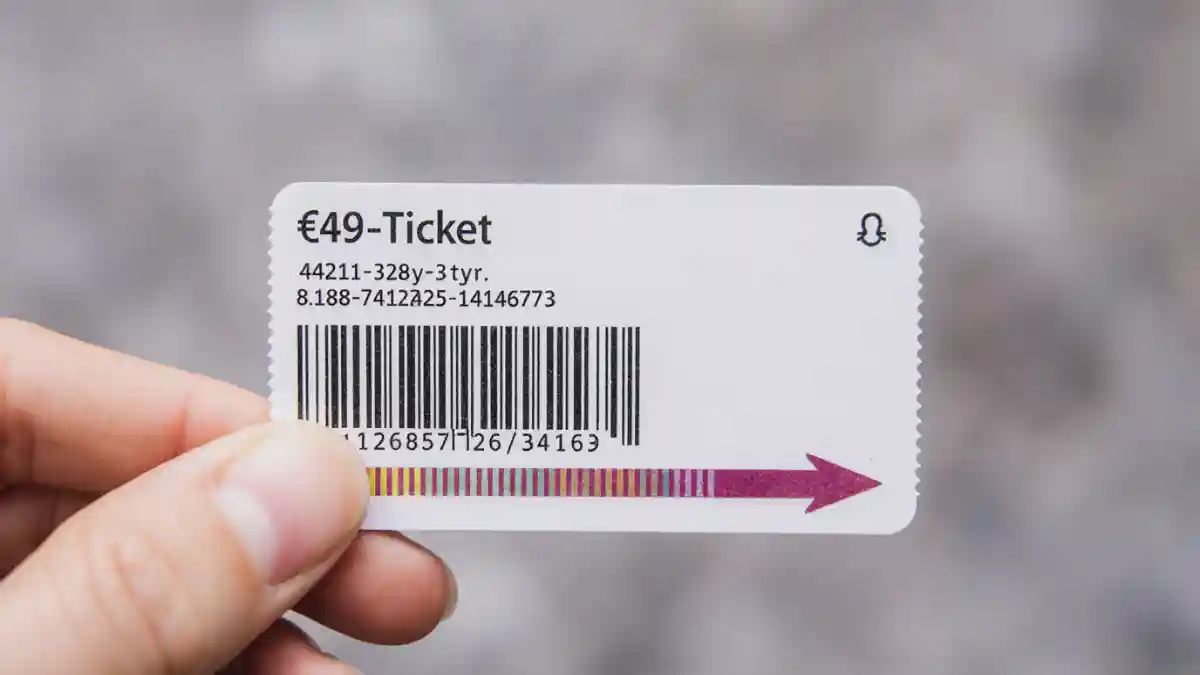
Buying a rail pass might feel like you’ve unlocked unlimited freedom, but many travelers learn the hard way that having a pass is only half the story. Knowing how to use your rail pass onboard is what keeps you from unexpected fines, seat mix-ups, or awkward run-ins with the conductor.
This guide focuses on exactly what happens after you’ve boarded: how inspections really work, what conductors look for, and the small but costly mistakes you’ll want to avoid once you’re rolling down the tracks.
Skip the stress: you’ll see real examples from operators like DB, Trenitalia, and Renfe, plus country quirks that can catch even seasoned travelers off guard. For a deeper dive into how seats, services, and comfort can vary, check out What to Expect Onboard European Trains. And if you want to compare the perks of sitting in first vs. second class, don’t miss First vs. Second Class Train Travel.
Ready to travel smart? Let’s make sure you know exactly how to handle your rail pass onboard.
Table of Contents
When & How Rail Passes Are Checked Onboard
Even with a valid rail pass in hand, you can’t just sink into your seat and ignore the rules. Conductors across Europe take inspections seriously, and each country has its own little quirks.
Typical Ticket Inspection Process
On most routes, expect your first ticket check within 10–20 minutes after departure. For example, on Germany’s DB ICE trains, conductors often scan passes using handheld readers and will politely ask for an ID if your pass is discounted. Miss your inspection? Don’t assume you’re safe; they can return for random checks throughout the trip.
In Italy, Trenitalia staff may use a stamp or punch to validate paper passes on regional trains, while long-distance Frecce services rely more on e-tickets and QR scans. Spain’s Renfe conductors, especially on AVE high-speed trains, check passes and seat reservations right at your seat, and they’re strict about having the right paperwork ready.
Pro tip: Always keep your pass, reservation (if needed), and a matching ID together and easy to show. Digging through your bag mid-inspection slows everyone down and makes you look unprepared.
Paper vs. Mobile Pass Validation
Some travelers think a digital pass means fewer rules, not quite! For example, with a Eurail mobile pass, you still need to activate each travel day in the app before boarding. Conductors can and will compare your phone’s activation screen with your ID.
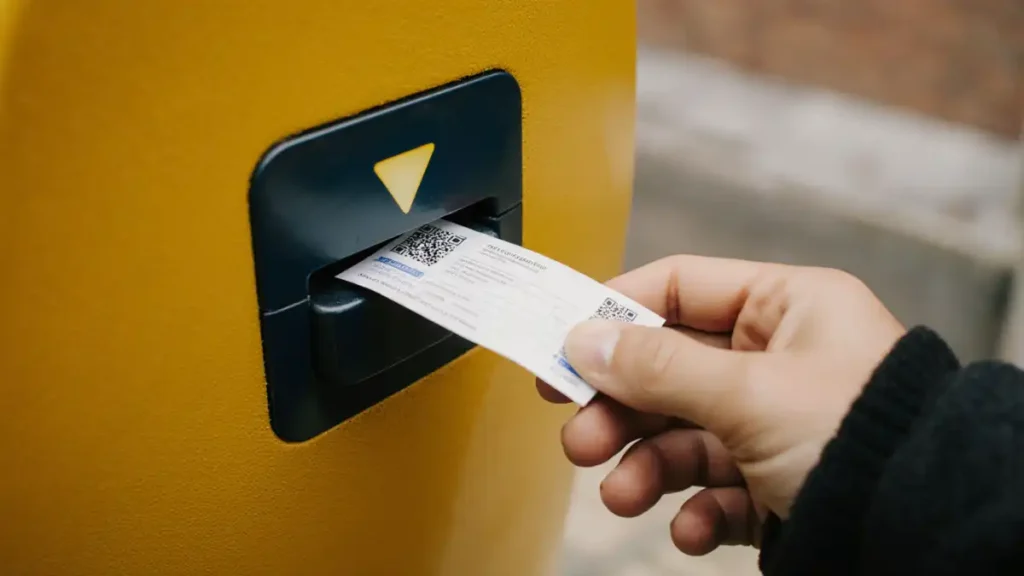
If you’re old-school with a paper pass, check if it requires pre-validation at a station counter. Trenitalia and older regional routes in France sometimes ask you to get a date stamp before your first ride. Skipping this can cost you the whole day’s value or, worse, a fine for “traveling without a valid ticket.”
What Happens If You Don’t Have a Required Reservation
Some trains require seat reservations even if you have a rail pass. Miss that step, and you may be asked to pay up or, worse, step off.
Country Examples (France TGV, Eurostar)
France’s TGV and OUIGO trains are classic examples: your pass gets you the base fare, but you must have a seat reservation for that specific train. Conductors on TGV routes are trained to check both your pass and your seat slip. If you’re in the wrong car or don’t have the slip, you could pay an onboard reservation fee (often much higher than booking in advance).
Eurostar is another big one: even rail pass holders must reserve and pay a separate seat fee. Show up without it, and you’re not getting through the boarding gates, let alone to your seat.
Fines & Fees You Might Face
The outcome depends on the operator. Some will issue a supplemental ticket on the spot (France TGV, Eurostar). Others, like DB’s ICE trains within Germany, may let you stand if there are unreserved seats, but you risk a fine if the train is fully booked.
Bottom line: Always know if your route requires a reservation. Once onboard, you can’t negotiate it away.
Using a Rail Pass for Different Classes
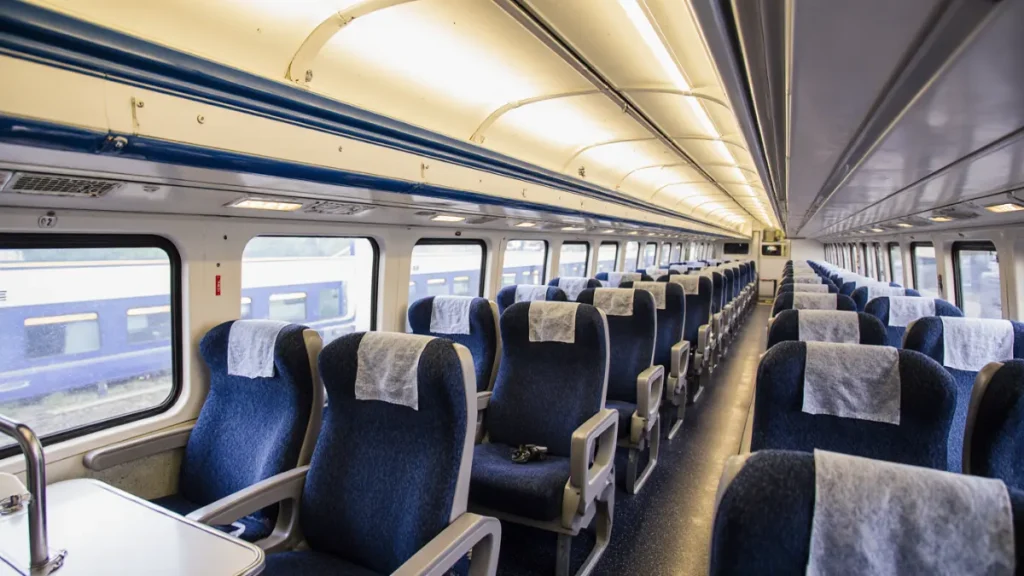
Your pass may say “1st Class” or “2nd Class,” but what happens if you sit in the wrong one?
Upgrading Onboard (When & How)
Some operators, like Germany’s DB, allow you to pay the difference and upgrade to 1st Class with the conductor assuming there’s space. Always ask politely; not every train manager can do this, and on popular routes, you may be told to return to your class.
In Italy, Trenitalia sometimes lets you switch classes on Frecce trains, but you’ll need to pay the fare difference, and they rarely accept cash-only transactions. It’s best to have a card ready.
What Happens If You Sit in the Wrong Car
Trying to sneak into 1st Class with a 2nd Class pass? You’ll almost always be found out. Conductors do spot-checks and ticket scans that show your class. Expect to be moved, and in some cases, fined if they think it’s intentional.
Country-Specific Quirks Travelers Get Wrong
Even seasoned rail pass holders get tripped up by these tiny differences.
France TGV & OUIGO
TGV passes require reservations, as above. OUIGO, the low-cost version, is even stricter; many OUIGO routes don’t accept passes at all. Double-check before boarding.
Germany Optional ICE Reservations
In Germany, ICE trains technically don’t require a seat reservation; you can stand or hop into any open seat. But peak trains are packed. Not reserving means you might get bumped between cars at every stop.
Italy, France & Regional Trains
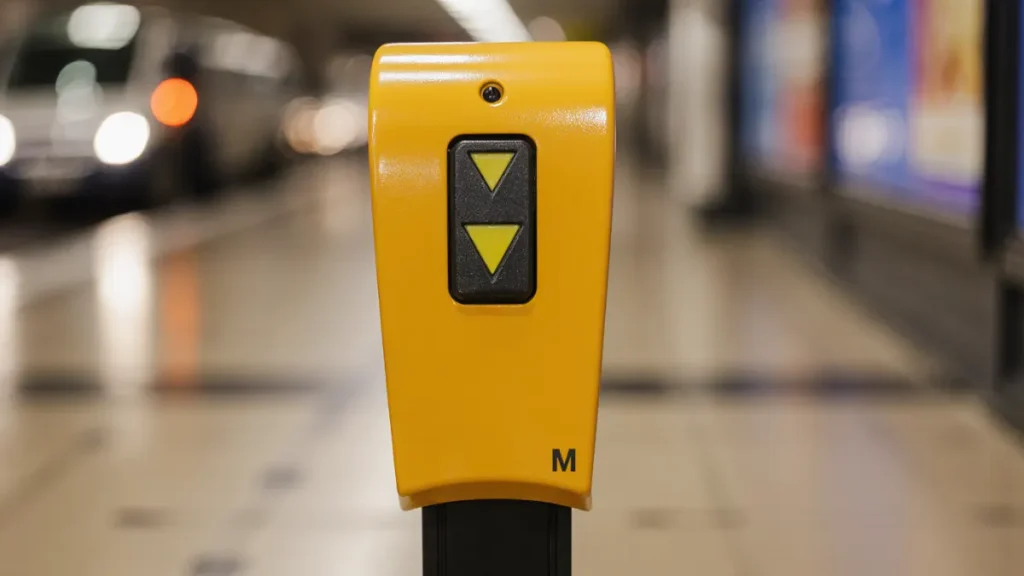
Trenitalia’s Frecce trains almost always need a reservation. But regional trains rarely do. Instead, you must validate your paper pass at a machine before boarding or face a penalty during inspection.
Common Onboard Rail Pass Mistakes
Even smart travelers forget these.
Not Validating Paper Passes
If your pass is paper-based, get it stamped at a station ticket desk before your first ride. Some older regional lines still expect this. Forget, and you’re “fare-dodging” in the eyes of conductors.
Using Wrong Travel Dates
With mobile passes, you must “activate” each travel day in your app before boarding. Inspectors see this instantly. Mistake your travel day? You’ll have to pay a full fare on the spot.
Quick Rail Pass Onboard Checklist
Before you settle into your seat, run through this quick mental list:
- ✅ Rail pass is valid for today and activated (if mobile)
- ✅ Any required seat reservation is printed or saved on your phone
- ✅ Sitting in the correct class, no “it’s empty so I’ll try.”
- ✅ ID ready for discounted passes
- ✅ Paper passes validated if needed
Need help making seat reservations ahead of time? Read Europe Train Seat Reservations for simple steps.
Final Words
Traveling Europe with a rail pass really is the best way to explore as long as you know how to use it once you’re onboard.
Stay calm, keep your documents handy, and you’ll glide through inspections stress-free.
Happy travels and safe rides! 🚄
