

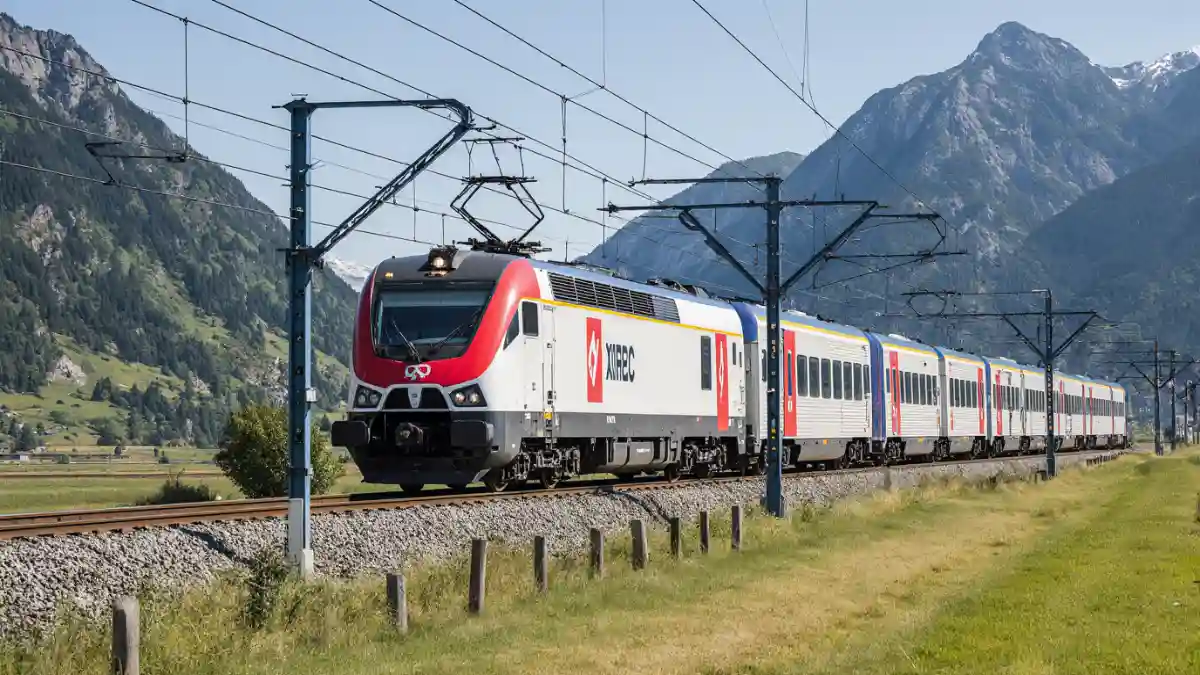
Traveling by train across Europe is famously easy and scenic, but what actually happens once you settle into your seat can surprise even seasoned travelers. If you’ve never stepped onto a Deutsche Bahn InterCity, a sleek SNCF TGV, or a rustic Trenitalia regional line, you might wonder, what’s it really like onboard european trains ? That’s what this guide is here for.
This page gives you the big picture: what the typical onboard experience looks like, how ticket checks work, what comfort perks you might find, and what to do if things go wrong along the way. No guesswork, just practical, honest insight so you feel ready to ride.
Let’s get you ready for the best possible Europe train onboard experience. Scroll down your adventure starts here.
Table of Contents
Typical Onboard Experience at a Glance
So, what’s it really like once the train doors slide shut and you’re rolling through the European countryside? Here’s what you can generally expect from the seat you’ll claim to the conductors who’ll check your ticket.
Seat Layouts & Space
First things first: the seats. Most European trains, whether they’re high-speed or regional, offer surprisingly comfortable seating compared to buses or budget airlines. Expect a mix of two-by-two or one-by-two layouts. There’s usually overhead storage for smaller bags, plus luggage racks at the ends of the cars for bigger suitcases.
A quick tip: seat reservations can matter more than you think, especially on busy routes. Even if your ticket says “open seating,” it’s smart to check if you have an assigned spot to avoid musical chairs at each station stop.
Onboard Experience Comparison Tool
Select your operator and travel type to see what you can expect onboard seat layouts, perks, food, and more.
 DB (Germany)
 SNCF (France)
 Renfe (Spain)
 ÖBB Nightjet
 Eurostar
 Trenitalia
Ticket Checks & Conductors
Unlike boarding a plane, no one usually checks your ticket before you get on but don’t stash it away. Conductors will make their rounds soon after departure. They’ll scan paper tickets, e-tickets on your phone, or your rail pass. Some countries, like Germany’s DB, can be very strict: no valid ticket means a hefty fine, payable on the spot.
It’s good etiquette to have your ticket or pass handy, plus an ID if you’re using a discounted fare. This keeps inspections quick and stress-free for everyone.
Quiet Cars, Family Zones & Pet-Friendly Options
Modern European trains often offer a few extra zones you might not expect. Many high-speed services have quiet cars for travelers who want a peaceful ride no loud phone calls or noisy chatter. Families might find child-friendly compartments with play tables or extra stroller space. And if you’re traveling with a small dog or cat, many operators allow pets onboard, though you’ll need to follow specific carrier or leash rules.
Keep an eye out for signs or icons above the seats they’ll tell you exactly which car you’re in.
Using Your Tickets & Rail Passes Onboard
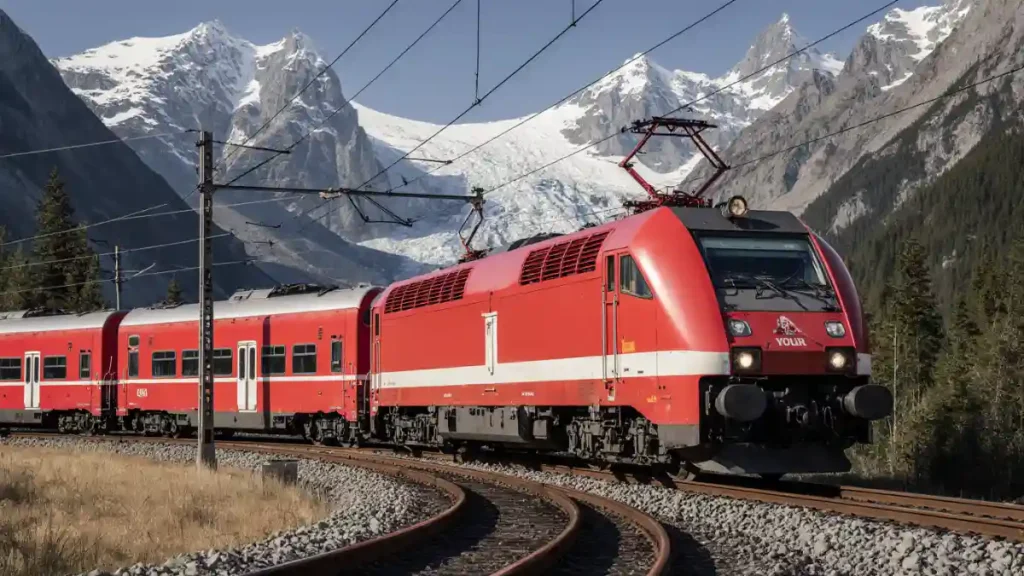
Once you’re settled in your seat, your ticket or rail pass is your golden ticket to a smooth ride but don’t tuck it away too deep. Here’s what you really need to know about how inspections work and what happens if you run into a hiccup with reservations.
How Inspections Work
Conductors will usually check your ticket soon after departure and sometimes more than once if the route crosses borders. Have it ready, whether it’s a paper ticket, mobile QR code, or rail pass.
Quick Ticket Check Basics:
- Keep your ticket and a valid ID within reach.
- Expect multiple checks on cross-border trips.
- Some conductors stamp tickets; others just scan and move on.
To see real scenarios when you’re traveling on a pass, check out our guide: How to use a rail pass onboard European trains.
What Happens if You Miss a Reservation
Sometimes plans change or you hop on the wrong carriage. If you find yourself in the wrong seat or your reservation isn’t valid, don’t panic here’s how it usually plays out:
| Situation | What Typically Happens |
|---|---|
| You’re in the wrong seat | The conductor may politely ask you to move; if your car is full, they might help you find an empty seat. |
| No reservation on a mandatory route | You may have to pay a fine or reservation fee onboard fees vary by operator. |
| Wrong train entirely | You might need to buy a new ticket, especially for high-speed lines. |
Pro tip: Always double-check your seat number and coach on your ticket. If you’re traveling with a pass that doesn’t include seat reservations, book those separately when needed it’ll save you a lot of hassle.
Sleeping Onboard: Overnight Train Basics
If your European adventure includes an overnight leg, you’re in for a uniquely memorable experience but it helps to know what sleeping onboard actually means before you drift off somewhere between Paris and Vienna.
What Types of Sleep Options Exist
Most overnight trains offer a range of choices depending on your budget and comfort level. Here’s a quick look at the typical options:
- Reclining Seats: The most budget-friendly. Not much privacy, but fine for short distances if you can sleep sitting up.
- Couchettes: Shared compartments (usually 4–6 bunks) with simple bedding. A good mid-range choice for groups or solo travelers who don’t mind sharing.
- Sleepers: Private or semi-private cabins with real beds, linens, and sometimes a sink or small bathroom. Perfect for longer journeys or when you want a bit more comfort.
Some operators, like ÖBB Nightjet, even offer deluxe cabins with en-suite showers for that hotel-on-rails vibe.
When It Makes Sense to Book a Sleeper
Is it worth the extra euros? Often, yes especially if you value privacy and a good night’s rest. A sleeper can turn an overnight train into a smart accommodation option, saving you time and hotel costs at your destination.
Quick questions to help you decide:
- Is the journey longer than 6 hours overnight?
- Do you want to arrive rested enough to explore right away?
- Are you traveling with family or valuables you’d rather keep secure?
If you want practical comfort strategies like what to pack or how to settle in check our full guide: How to sleep comfortably on overnight trains.
What If Things Go Wrong? Delays & Cancellations
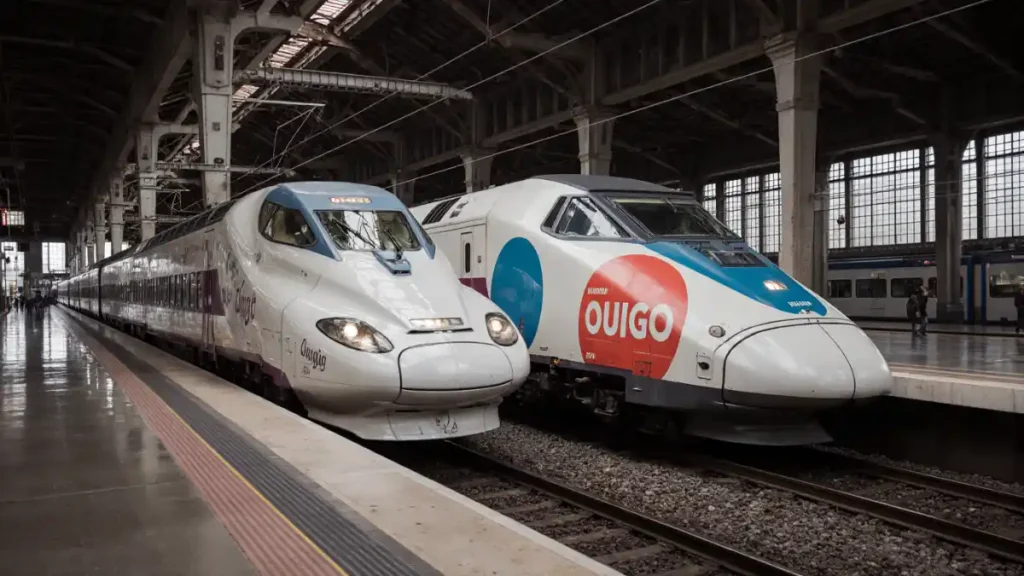
Even in Europe, where trains run like clockwork (most of the time), unexpected delays or cancellations can happen and it’s smart to know what to expect if your journey hits a bump.
What Conductors Will Do
If there’s a delay en route, conductors and train staff usually make regular announcements in multiple languages to keep passengers informed. They’ll provide updates on new arrival times and, if needed, guidance on connections.
If your train is cancelled while you’re onboard or you need to switch routes last minute, staff can often help reroute you or confirm alternative seats. For major disruptions, you may be asked to wait on the platform for a replacement train but you’re rarely left on your own.
Your EU Rights in a Nutshell
Many travelers don’t realize that train passengers in the EU have rights similar to air passengers. If your train is significantly delayed or cancelled, you may be entitled to:
- Rerouting at no extra cost
- Partial or full refunds for uncompleted journeys
- Meals or accommodations, depending on the situation and delay length
Each operator’s policy varies slightly, so always check the fine print for DB, SNCF, Trenitalia, or whichever line you’re using.
For a clear, step-by-step plan on what to do when things go sideways, read our dedicated guide: What to do if your train is cancelled or delayed mid-trip.
Comfort & Perks You Might Find Onboard
One of the best surprises about European trains? Many come with little extras that can make your journey more relaxing than you’d expect especially on longer or high-speed routes.
Food, WiFi & Entertainment
Depending on the operator and class, you might find:
- Café cars or trolley service: Grab a hot coffee, fresh sandwich, or a glass of wine while you ride.
- Onboard WiFi: Increasingly common on high-speed lines like TGV or Eurostar just don’t expect lightning-fast speeds through tunnels!
- Seat-back screens or power outlets: On premium services or upgraded seats, you may have a screen with movies or, at the very least, a plug to keep your devices charged.
Tip: Some regional trains still don’t offer food or WiFi, so it’s smart to pack snacks and download entertainment ahead of time just in case.
Upgrades & Special Services
Many operators offer optional upgrades for extra perks. Think larger seats, complimentary drinks, or lounge access at certain stations before you board.
Here’s a quick snapshot:
| Upgrade Option | Perks You Might Get |
|---|---|
| First Class | More legroom, quieter cars, welcome drinks on some routes |
| Business / Premium | Reserved seating, meals included, dedicated staff |
| Special Family Compartments | Extra space, toys or games for kids |
Want to get more out of what your train offers? Read our guide on making the most of onboard amenities & services.
Local Quirks & Operator Examples
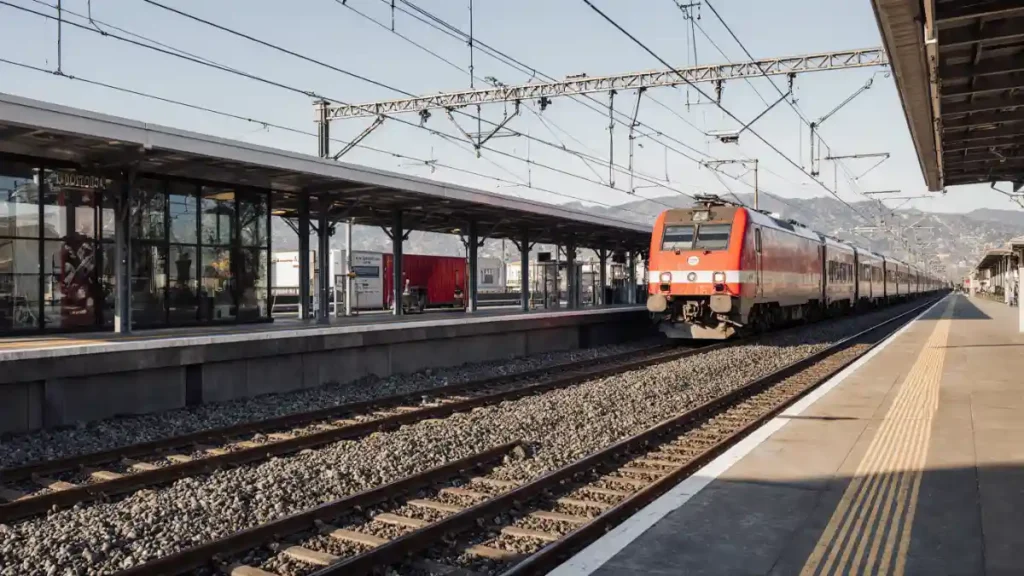
Even if you’ve ridden trains back home, European lines can surprise you with small quirks and regional differences. Here’s a quick taste to help you feel ready, not caught off guard.
What Surprises First-Timers
- Reserved Quiet Zones: On some routes like DB’s ICE or SNCF’s TGV you’ll find entire cars where phone calls and loud chatter are discouraged. Perfect for napping or working in peace.
- Bring Your Own Snacks: On many short regional lines, there’s no café car locals just pack their own sandwiches and coffee.
- Boarding Order: Unlike airlines, there’s no formal “boarding group” but do double-check your coach number. Platforms can be long, and you don’t want to be sprinting down the train at the last second!
Country Examples (Germany, France, Spain)
Here’s a quick glimpse of what to expect on a few popular national lines:
- Germany (DB): Well-marked quiet zones, conductors with portable card readers, high chance of announcements in English.
- France (SNCF): Frequent ticket checks, handy overhead screens showing your stop, café bar on most TGVs.
- Spain (Renfe): Assigned seats are the norm, and you may get luggage scanned before boarding on some high-speed routes.
Keep these quirks in mind and you’ll blend rigQuick Onboard Readiness Checklist
Before you step onto that platform, here’s a simple, traveler-tested checklist to make sure you’re ready for a smooth ride no surprises, no last-minute panic.
✅ Tickets & Passes
- Have your ticket or rail pass handy not buried in your bag.
- Double-check your seat reservation and coach number.
✅ Luggage
- Know where to store big suitcases (usually at the carriage ends) and keep valuables close.
- Label your bags some routes get busy and luggage can shift.
✅ Comfort Extras
- Bring a snack and water, especially for regional trains with no café car.
- Download any entertainment in advance if WiFi is spotty.
- A travel pillow or eye mask can make even a short nap feel luxurious.
Ready to roll?
You’re all set to make the most of your Europe train onboard adventure. Enjoy the ride and explore the rest of our travel tips for your best journey yet!
