

It’s a question nearly every European train traveler asks at some point: Is first class really worth it? The glossy websites make it sound tempting: more space, fewer crowds, maybe a welcome drink. But does it actually make a difference for your trip?
This practical guide breaks down what you really get with first vs. second-class train travel in Europe, from seating layouts to noise levels, real perks to hidden trade-offs. No seat reservation or booking window tricks here, just honest insights to help you decide if the upgrade fits your route, budget, and travel style.
I’ll share real operator examples, quick cost comparisons, and relatable scenarios so you can weigh what matters most. If you want to dive deeper later, check out our Europe Train Travel Tips full guide, or you can check Making the Most of Onboard Amenities & Services for extra perks.
Table of Contents
What’s the Difference in First & Second Class Train Travel?
When people picture “first class,” they often think of luxury, but trains keep it simple. Let’s break it down.
Seating Layout & Comfort
First class usually means wider seats, extra legroom, and fewer people per carriage.
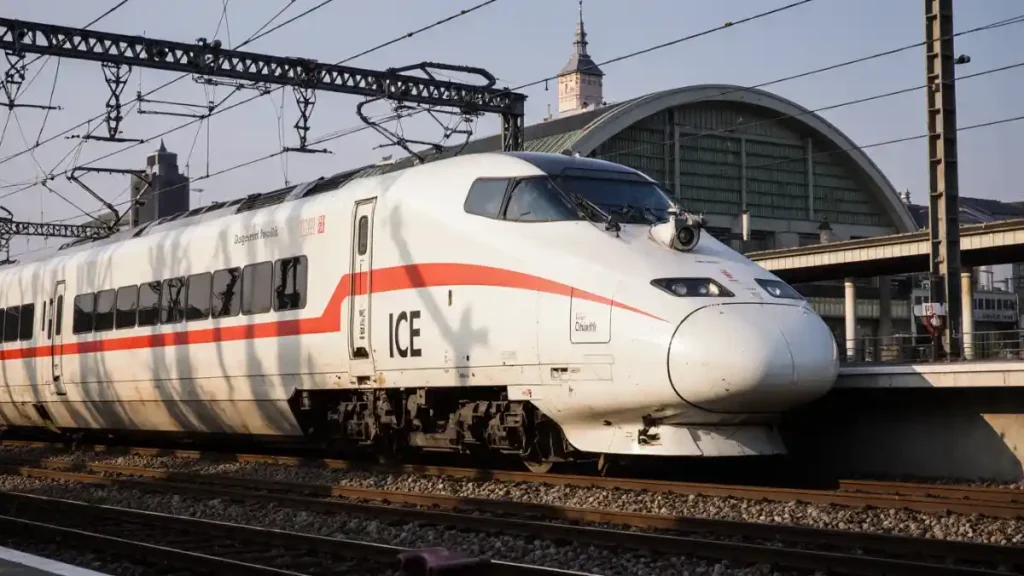
- DB ICE (Germany): First class has a 1-2 layout vs. 2-2 in second. More elbow room, plus single “business” seats along the window.
- TGV (France): First class offers larger, reclining seats and quieter cars.
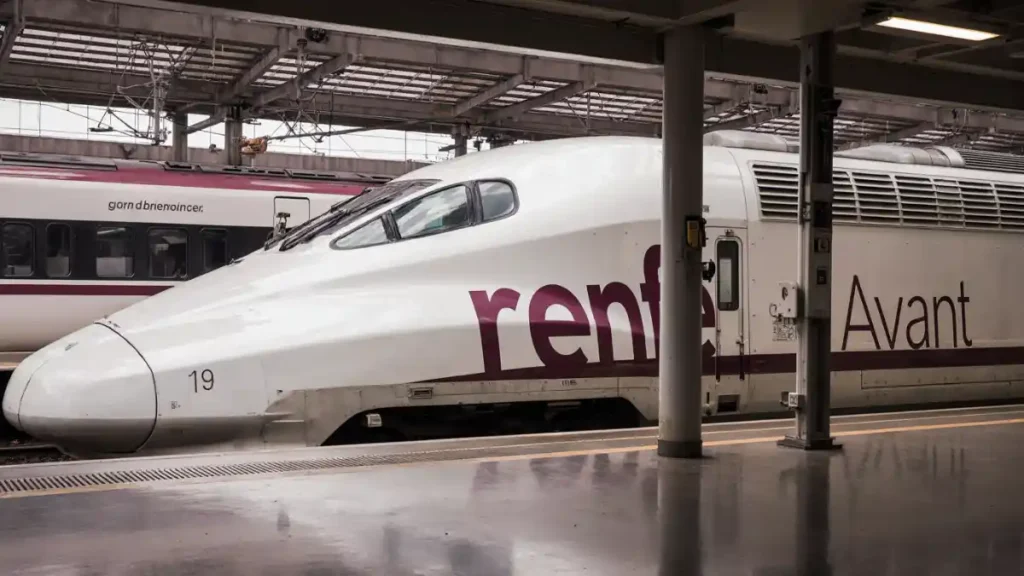
- Renfe AVE (Spain): Turista Plus gives first-class seating without food service but more space than standard Turista.
For a short hop, second class can be perfectly fine. But on longer trips, the extra inches can make a real difference.
Extra Perks: Food, Drinks, WiFi
Perks vary by country and operator.
- DB’s ICE First Class includes at-seat service; you can order from your seat instead of heading to the café car.
- Some TGV routes give first-class travelers access to the SNCF Grand Voyageur Lounge at major stations.
- AVE offers complimentary drinks and snacks in Club Class.
WiFi and power outlets are increasingly standard in both classes, but first class often gets faster connections and more reliable service.
Noise Level, Crowds & Luggage Space
First-class carriages are typically quieter, with fewer kids and groups. Overhead luggage racks may be roomier too.
- On busy routes, second class can get cramped at peak times. Travelers with large suitcases sometimes prefer first class just for the guaranteed storage space.
When Does Upgrading Make Sense?
So when does it actually pay off to splurge?
Long-Distance & Cross-Border Journeys
If you’re riding for four or more hours, say Paris to Zurich or Berlin to Munich, that wider seat and calm cabin can feel priceless. Many business travelers or digital nomads appreciate the quiet for working en route.
“I did Paris to Nice in second class once, then in first the next time. Worth every euro for the legroom alone.” Chloe, UK traveler
Traveling with Kids, Lots of Luggage, or Work Needs
Families with small kids often prefer first class for more space to spread out (and fewer side-eyes from other passengers).
Got a laptop and need to work? Power outlets and a guaranteed table seat help too.
Seasonal Demand: When 2nd Class is Packed
Second class can be jammed on Fridays, holidays, or festival weekends. Sometimes first class isn’t much more, and you get peace and space.
Country-Specific Quirks to Know
Europe loves to keep things interesting.
🇩🇪 Germany DB ICE First Class vs. Second
First class on DB’s ICE includes free seat reservations (worth about €5) and at-seat food service. The silence car is usually first class, too.
🇫🇷 France: TGV & OUIGO
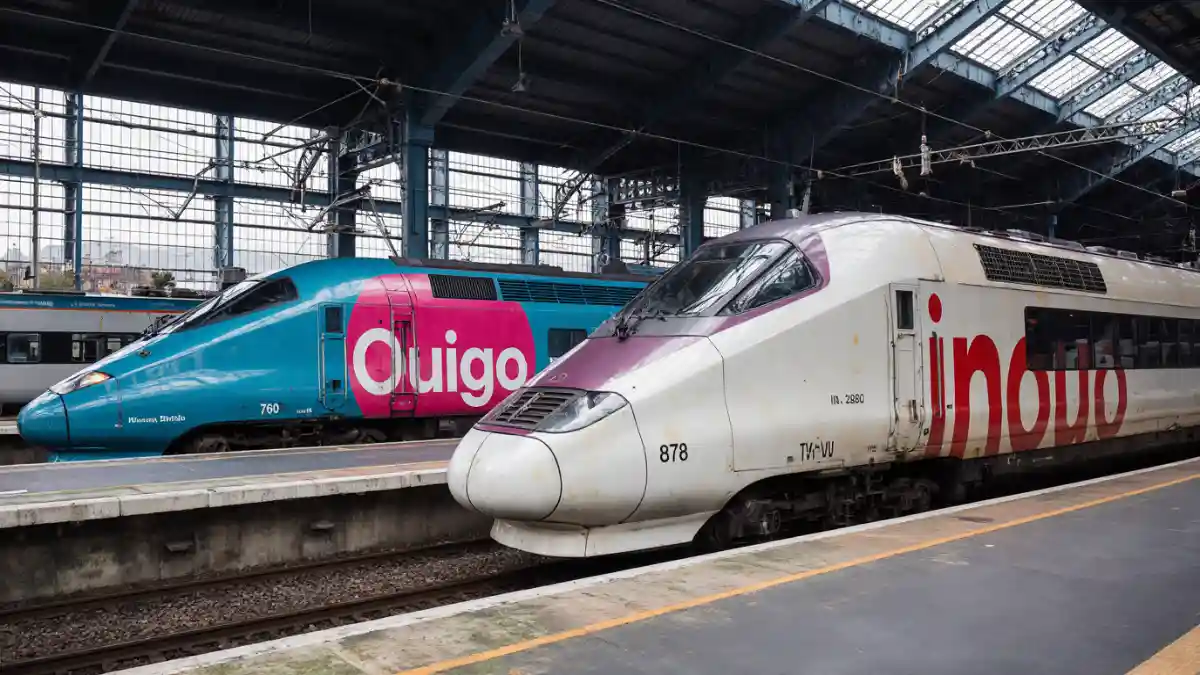
TGV first class means comfier seats and more privacy. OUIGO, SNCF’s budget high-speed option, has no real first class, just standard with extra legroom upgrades.
🇪🇸 Spain: AVE First vs. Turista
AVE’s Turista Plus gives you first-class seats without lounge access or free meals. Club class has all the perks: lounge entry, meals, and drinks.
🇮🇹 Italy: Frecciarossa Premium vs. Standard
Frecciarossa trains have multiple “premium” classes. Standard is comfy enough, but Premium adds welcome drinks and snacks, more legroom, and quieter carriages.
Sample Cost Comparisons for Popular Routes
Short Hop vs. Long Journey Price Difference
- Berlin to Hamburg (ICE, 1.5 hrs): Second ~€30, First ~€50
- Paris to Nice (TGV, 6 hrs): Second ~€70, First ~€120
Off-Peak vs. Peak Season Price Gaps
- Off-peak midweek upgrades can cost just €10–€20 more.
- Peak weekends or holidays? Expect first class to be double or more.
How to Score Deals on First Class
Want the perks for less?
When to Watch for Upgrades or Promo Fares
Operators run first-class sales, especially off-peak. DB, SNCF, and Renfe sometimes slash upgrades by 50% during shoulder season.
Rail Pass Upgrades & Seat Reservations
Some rail passes let you choose a first-class version, worth it if you plan long legs. Remember: you’ll still need a seat reservation for many routes.
Check out Europe Train Seat Reservations: When & How to Book to lock in your spot.
Pros & Cons at a Glance
| What You Get | First Class | Second Class |
|---|---|---|
| Seat Comfort | Wider, more legroom | Standard seats |
| Perks | Snacks, lounge, service | Café car access |
| Noise & Crowds | Quieter, less busy | Sometimes crowded |
| Price | Higher fare | Budget-friendly |
Quick Decision Checklist: Is First Class Worth It for You?
Before you book, ask yourself:
- Is this a long ride where comfort really matters?
- Am I traveling at peak time when second class will be full?
- Will I work, need quiet, or have extra luggage?
- Does my budget stretch for the perks, or would I rather spend that money elsewhere?
