

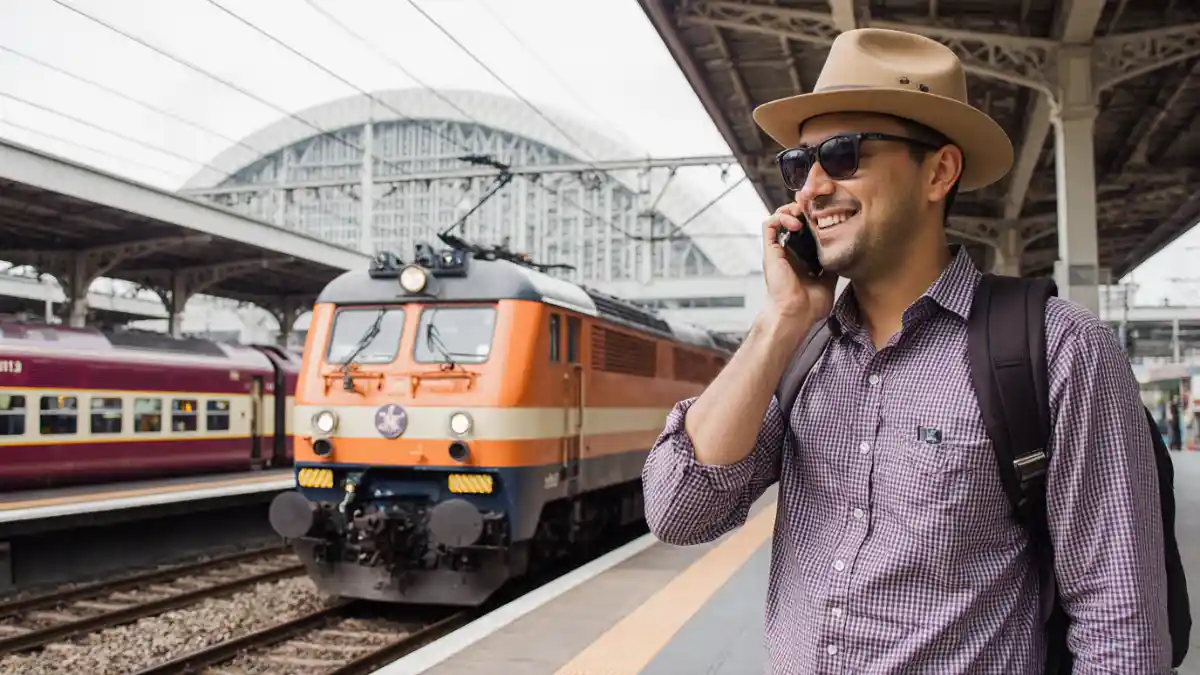
There’s something undeniably romantic about zipping through Europe by train, watching vineyards blur into distant castles, or waking up to a new country outside your window. But even the best Europe Train Travel Tips can’t save you from a maze-like station or a sold-out train if you don’t plan ahead. A little extra prep can make the difference between a dream rail trip and an expensive headache.
So, what do you really need to know before you step onto that platform?
This guide is your trusted companion for all the practical bits that most people forget the small things that can save you money, spare you from rookie mistakes, and help you travel like you’ve done this a dozen times before. We’ll break down when you really need seat reservations (and when you don’t), how to choose between first or second class, what booking tools savvy travelers swear by, and more.
Along the way, I’ll share real examples, official rail operator tips from the likes of SNCF, Deutsche Bahn, and Trenitalia, plus personal anecdotes from travelers who’ve learned these lessons the hard way so you don’t have to.
Ready to plan smarter, stress less, and enjoy the rails like a pro? Let’s dive in.
Table of Contents

Why Smart Pre-Trip Planning Matters for Europe Train Travel
Multiple Operators & Complex Systems
Ever heard the saying, “Europe by train is simple until it isn’t”? On paper, Europe’s rail network looks seamless: one ticket, one ride, one incredible view. But beneath that charm lies a patchwork of dozens of national operators, quirky regional rules, and hidden booking traps that can catch even seasoned travelers off guard.
Each country has its own national rail company: SNCF in France, Deutsche Bahn in Germany, and Trenitalia in Italy, and each plays by slightly different rules. Some routes require seat reservations no matter what; others don’t. Some offer last-minute discounts, while others penalize you for buying too late. And if you’re stringing together a multi-country itinerary? That’s where it gets really fun.
Common Planning Pitfalls
It’s easy to see why so many people assume they can just show up and hop on any train with a Eurail Pass in hand only to find out that the train they want is sold out or that they need to pay an extra reservation fee they didn’t expect.
And then there’s the human factor: real life. I’ve heard countless stories of travelers who lost an entire day of their trip because they trusted outdated timetables or got fined on board for sitting in the wrong car. One friend spent half her Paris trip lining up for a ticket she could’ve reserved online for free; she didn’t know better because no one told her the fine print.
The truth is, a little smart planning upfront can save you money, stress, and hours of confusion. And when you know what pitfalls to watch for, you’re already one step ahead. Not sure what they are? Take a look at some of the Europe train travel mistakes to avoid before you go you’ll thank yourself later.
Essential Seat Reservation Know-How
When you picture Europe train travel, you might imagine strolling onto any train at the last minute. Sometimes you can but sometimes you really can’t. Knowing when a reservation is required, when it’s optional, and how to secure one in advance can save you a lot of frustration (and money).
When Reservations Are Required vs. Optional
Most high-speed or international trains (like the TGV, Eurostar, and ICE) do require seat reservations. On these routes, showing up without one could mean you’re denied boarding or paying a hefty fee on the spot not the surprise you want when you’re racing to catch a connection.
By contrast, many slower regional trains, like Germany’s RE trains or Switzerland’s SBB services, don’t require reservations at all. You can just hop on with a valid ticket or rail pass.
Quick Reference:
| Train Type | Reservation Required? | Notes |
|---|---|---|
| Eurostar, TGV, Thalys | Always | Book early these sell out fast. |
| ICE, Frecciarossa | Often | Highly recommended for busy routes. |
| Regional Trains (RE) | Rarely | Just board with a valid ticket. |
| Night Trains | Always | Reservations include sleeper berth. |
Country-by-Country Reservation Quirks
Every country’s network has its own small print. For example:
- France: Almost all long-distance trains require advance seat reservations.
- Italy: Trenitalia’s high-speed Frecciarossa trains always need a seat booking regional ones usually don’t.
- Germany: ICE trains technically allow you to travel without a seat reservation, but during holidays or weekends, you’ll want one.
- Spain: RENFE’s long-distance AVE trains are reservation-only.
Helpful Tip: Check each operator’s official site (SNCF, DB, Trenitalia, RENFE) for reservation rules they’ll often list if it’s “compulsory” or “recommended.”
Handy Tools for Booking Seats
So, how do you actually book your seat without the hassle? Thankfully, you’ve got more options than lining up at the station.
Here’s a quick rundown:
- National rail operator websites: These usually show the real-time seat availability.
- Third-party platforms: Rail Europe, Omio, and Trainline can make cross-border bookings simpler.
- Rail planner apps: Some mobile apps (which I’ll cover later) let you reserve on the go.
💡 Pro Tip: If you’re traveling with a rail pass, always double-check whether your pass covers the seat reservation cost often, it doesn’t.
Want step-by-step help? We’ve got you covered dive into our full guide on when and how to book your Europe train seat to make sure you never get caught without one.
How to Save Big Without Sacrificing Comfort
Who says saving money on Europe’s trains means cramped seats or inconvenient routes? A bit of flexibility and knowing where to look can unlock serious savings without turning your trip into a budget nightmare.
Passes, Regional Deals & Group Discounts
Sometimes, a rail pass is your golden ticket. Other times, a regional deal or group discount can beat the pass price by a mile. Here’s a snapshot of what savvy travelers compare before buying:
Types of Money-Saving Options:
- Rail Passes: Great for longer trips covering multiple countries. Consider Eurail or Interrail.
- Regional Passes: Handy for staying within one area like the Swiss Travel Pass or Bavaria Ticket in Germany.
- Group Tickets: Many operators offer discounts if you travel as a couple or family. For example, Deutsche Bahn’s Sparpreis Gruppe fares can cut costs dramatically.
- Youth & Senior Fares: Don’t overlook age-based discounts. Operators like Trenitalia and RENFE offer special deals if you book direct.
Helpful Snapshot:
| Option | Best For | Where to Find It |
|---|---|---|
| Eurail/Interrail Pass | Multi-country, longer trips | eurail.com, interrail.eu |
| Regional Passes | Single country/region | National rail operator sites |
| Group Tickets | Friends, families | Deutsche Bahn, SNCF, Trenitalia |
| Youth/Senior Fares | Ages under 26 or 60+ | Operator sites, local ticket desks |
Quick Tip: Always compare the total cost sometimes, a point-to-point ticket plus a regional deal works out cheaper than an all-in pass.
Flexible Routing for Better Prices
One of the easiest ways to save? Tweak your route. Some popular trains charge premium fares for direct or high-speed services, but a slightly slower connection can save you a bundle and add scenic detours you’d otherwise miss.
Example:
A direct Paris–Amsterdam Thalys train might cost €150 in peak season. But if you’re willing to change in Brussels on a slower intercity, you could pay half that plus enjoy a quick waffle break!
Money-Saving Checklist:
- Travel mid-week, not weekends.
- Book as early as possible advance fares sell out fast.
- Check local deals on national rail sites they’re often cheaper than third-party booking engines.
There’s a lot more you can do to stretch your rail budget wisely. For a deeper dive into the tricks seasoned travelers use, check out our smart ways to save money on Europe rail travel and make every euro count.
Picking First or Second Class: Which is Right for You?
Should you splurge on first class or stick with second? It’s one of those questions that sparks heated debates in every Europe rail travel forum and for good reason. The difference can be huge, but so can the comfort perks.
Comfort, Space & Perks
Generally, first class on Europe’s trains means wider seats, extra legroom, and a quieter atmosphere. On some routes (like the Eurostar or ICE), you might get at-seat service, complimentary snacks, or free newspapers.
Second class, though, is hardly “budget” in the uncomfortable sense. In most countries, you’ll still have clean, modern coaches, decent space, and large windows for all that countryside scenery. It’s just a little busier and less private.
Here’s a quick side-by-side snapshot:
| Feature | First Class | Second Class |
|---|---|---|
| Seat Width & Space | More spacious, wider seats | Standard width, tighter rows |
| Atmosphere | Quieter, fewer families | Busier, more lively |
| Extra Perks | Snacks, drinks, newspapers | Pay-as-you-go from the café car |
| Price Difference | +20–60% more (varies) | Baseline fare |
Quick Story:
One traveler I met in Italy swears by first class on Trenitalia’s Frecciarossa, she loves the calm and extra luggage space. But in Switzerland, she sticks with second class, where the views are the same and the trains are spotless no matter what.
When Upgrades Make Sense
So when is the extra spend really worth it? Here are a few scenarios where upgrading makes sense:
- You’re taking a long ride (4+ hours) and want to stretch out or work.
- You’re traveling during peak holiday times and want guaranteed quiet.
- A promo fare pops up sometimes first class costs just €10–20 more than second.
- You’re hauling lots of luggage or have mobility needs.
Not sure which you’ll prefer? Get the full scoop on what you really get for your money in our guide to first vs. second class train travel in Europe and decide what’s worth the splurge for you.
Tools & Apps That Make Planning Stress-Free
Even the best-laid Europe train travel plans can unravel if you’re relying on old schedules or paper tickets alone. These days, your phone can be your best travel companion if you’ve got the right tools loaded up before you go.
Booking, Timetables & Delay Alerts
First up: your essential booking and timetable apps. Whether you’re traveling within one country or hopping borders, you’ll want to know what’s running, when, and if there’s a strike brewing.
Top picks travelers love:
- DB Navigator (Deutsche Bahn): Great for real-time schedules across Europe, not just Germany.
- Trainline: Perfect for comparing prices and booking multi-country trips in one go.
- Rail Europe: Another handy one-stop shop for reservations.
- Official operator apps: Always check if SNCF, Trenitalia, or RENFE has their own they often push delay notifications and last-minute offers.
Quick Tip: Enable push alerts so you get instant updates if a train’s delayed or a platform changes a lifesaver in big stations like Paris Gare du Nord.
Must-Have Station & Map Apps
Your phone isn’t just for tickets. Getting around giant stations or foreign cities without good Wi-Fi can derail your whole day.
A few essentials worth downloading:
- Google Maps: Sounds obvious, but save offline maps for every city on your route.
- Rail planner apps: Many operators offer station maps inside their apps especially helpful for tight connections.
- City transit apps: Local metro or tram apps help you get to and from the station smoothly.
Pro Traveler Hack: Snap a photo of your ticket and reservation details. That way, if your battery dies at the worst moment, you’re still covered.
Ready to turn your phone into the ultimate travel assistant? Explore our picks for the best mobile apps for planning Europe rail travel and hit the rails with confidence.

Avoid Rookie Mistakes Before You Board
You’ve got your pass, your seat reservations, your shiny new apps… so what could possibly go wrong? The truth is, even seasoned travelers slip up right before boarding and it can cost you precious time, money, or both.
Missed Reservations, Refund Rules, Strikes
One classic slip-up? Assuming your rail pass covers everything. Many routes still need separate seat reservations show up without one, and you might be stuck on the platform as your train rolls away.
Then there’s the fine print. Some operators offer partial refunds if you cancel a reservation in advance, but others don’t and missing that window can mean you’re out €20–€50 per ticket.
And let’s not forget Europe’s notorious last-minute rail strikes. They’re rare but not unheard of. Keep tabs on operator websites like SNCF, DB, or Trenitalia before you pack your bags, so you’re not caught off guard.
Quick Pre-Boarding Check:
- Double-check every leg of your trip: Do you need a reservation?
- Review refund rules for tickets and passes.
- Watch for strike notices on official sites and travel forums.
Real-Life Mishaps
I’ll never forget the traveler who showed up for an overnight train in Italy only to discover her pass didn’t include the sleeper berth. She ended up paying triple the price on the spot, all because she missed one tiny detail in the reservation rules.
Another family I met in Spain got hit with a hefty fee for boarding the wrong carriage they didn’t realize their second-class reservation didn’t cover first class, even though the seats were empty. It happens more often than you’d think!
Want to dodge these common headaches? It pays to brush up on the train travel mistakes to avoid before you go so you can step onto that platform with total confidence.
Unlock Hidden Rail Pass Discounts & Booking Tools
Buying a rail pass is one thing knowing how to squeeze every bit of value from it is another. The truth is, tons of travelers overpay simply because they miss lesser-known discounts or forget to check local booking sites.
Official & Local Sites to Check
One of the best Europe Train Travel Tips I can share? Don’t rely on just one booking site. Sometimes the national rail operator’s website shows cheaper pass add-ons, exclusive regional deals, or special perks that big aggregator sites don’t list.
Example:
- In France, SNCF occasionally releases limited-time youth discounts or flash sales only on their own site.
- Germany’s Deutsche Bahn often bundles regional passes with local transport tickets (great for day trips).
- Trenitalia in Italy runs seasonal promos for students and seniors, but they’re buried in the Italian-language pages a little digging goes a long way.
A few official sites worth bookmarking:
- SNCF Connect (France)
- DB Navigator (Germany)
- Trenitalia (Italy)
- RENFE (Spain)
Youth, Senior & Regional Deals
Rail travel is one area where age really can work in your favor. Many passes and operators offer discounted rates for travelers under 26 or over 60 sometimes up to 50% off regular prices.
Hidden gems to look for:
- Regional youth passes (like Austria’s ÖBB Vorteilscard Jugend)
- Local senior passes that cover trams, buses, and trains
- Off-peak or shoulder season fares that automatically reduce costs
Pro Tip: Don’t be shy about asking for these at ticket desks. Some discounts aren’t well advertised online but can be added in person if you show your ID or passport.
Want more smart ways to find these deals? Check out our round-up of rail pass booking tools and hidden discounts so you don’t leave money on the table.
Your Europe Rail Pre-Trip Checklist
Feeling ready to hit the rails? Use this quick checklist to make sure you’ve covered the essentials before you step onto that platform:
The Pre-Trip Checklist
Tick off each step to feel confident before your trip.
A little extra prep now means fewer surprises later and more time to enjoy the scenery, the food, and all the spontaneous moments that make Europe rail journeys so magical.
Don’t forget to tick off your Europe Rail Pre-Trip Checklist to see if you’re truly ready. And if you spot any gaps? Dive into our detailed guides on saving money, booking the right seats, choosing the best class, finding hidden rail pass deals, and avoiding the rookie mistakes that catch so many people off guard.
Here’s to smooth connections, scenic routes, and travel stories you’ll be telling for years. See you on the rails!
